
Exotic pets are full of personality, but they can be very good at hiding signs of illness. A rabbit that is eating less, a guinea pig with overgrown teeth, a reptile with subtle skin changes, or a bird acting quieter than usual may need veterinary attention sooner than you think.
If you are looking for an exotic veterinarian, Patton Veterinary Hospital provides care for many unique pets in Red Lion, York, and the surrounding communities. Our team understands that exotic pets need careful handling, species-specific knowledge, and a thoughtful look at their diet, environment, behavior, and overall health.
Whether your pet needs a routine exam, help with a health concern, husbandry guidance, or a teeth trim, we’re here to help you feel more confident caring for them.
What Exotic Pets Do We See?
Patton Veterinary Hospital cares for a variety of exotic pets, including many small mammals, reptiles, birds, and pocket pets. Not every doctor sees every species, so our team will help match your pet with the right veterinarian when you call.
Exotic pets we may see include:
-
Rabbits
-
Guinea Pigs
-
Ferrets
-
Hamsters
-
Gerbils
-
Rats and mice
-
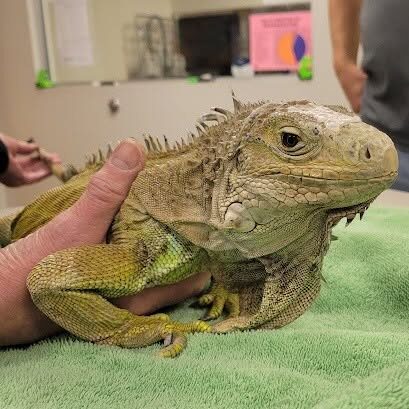
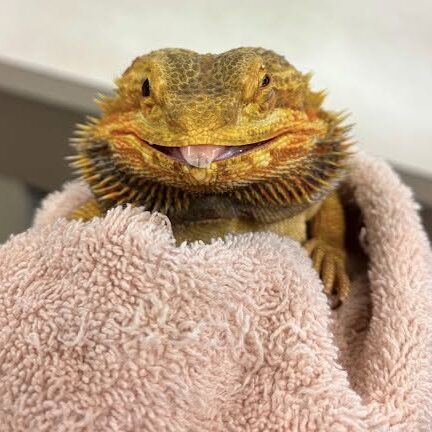
Reptiles
-
Lizards
-
Snakes
-
Birds
-
Other pocket pets and exotic companion animals
Why Should Exotic Pets See a Veterinarian Regularly?
Many exotic pets do not need vaccines, but they still need regular veterinary care. Ferrets are one exception and may require vaccines based on their health and lifestyle.
Small mammals, reptiles, birds, and pocket pets often hide illness until a problem has become more serious. In the wild, showing weakness can make an animal vulnerable, and many exotic pets still carry that instinct at home.
Regular exams give your veterinarian a chance to check your pet’s weight, teeth, skin, eyes, breathing, mobility, and overall condition. These visits are also a good time to talk about diet, housing, temperature, humidity, enrichment, and other husbandry details that can affect your pet’s health.
For many exotic pets, an annual exam is a smart place to start. If you notice changes in appetite, droppings, energy, breathing, skin, movement, or behavior, your pet should be seen sooner.
What Common Health Problems Do We See in Exotic Pets?
Exotic pets can develop health concerns that are easy to miss at first. Some issues are linked to diet or housing, while others may happen because of injury, infection, genetics, or normal aging.
Common health problems we may evaluate include:
-
Obesity
-
Dental overgrowth or malocclusion
-
Difficulty eating
-
Abscesses or bite wounds
-
Upper respiratory infections
-
Skin irritation, mites, or ringworm
-
Gastrointestinal blockage
-
Tumors or cancer
-
Appetite changes
-
Abnormal droppings
-
Shedding concerns in reptiles
-
Husbandry-related health issues
Because exotic pets can decline quickly, it is better to call early if something seems off. A small change in eating, breathing, posture, activity, or bathroom habits may be an important clue.
Teeth Trims for Pocket Pets
Rabbits, guinea pigs, and some other pocket pets have teeth that continue growing throughout their lives. If the teeth do not wear down properly, they can become too long or misaligned, making it painful or difficult for your pet to eat.
This condition is called malocclusion. It may affect the front teeth, back teeth, or both, and it can lead to weight loss, drooling, appetite changes, and serious health problems if ignored.
Many of our doctors and nurses are trained to perform teeth trims for pocket pets safely and gently. Your pet should be an established patient at Patton Veterinary Hospital and in overall good health before a teeth trim is performed, since small animals can become anxious in unfamiliar surroundings.
Reptile Exams and Husbandry Guidance
Reptiles do not need vaccines, but they do benefit from regular veterinary exams. Skinks, lizards, snakes, turtles, and other reptiles may hide illness or injury until a problem has progressed.
During a reptile visit, we may discuss your pet’s enclosure, lighting, temperature, humidity, diet, supplements, shedding, appetite, and activity level. These details matter because many reptile health problems are closely connected to husbandry and nutrition.
We recommend routine exams for reptiles, along with a visit any time you notice changes in behavior, appetite, skin, shedding, droppings, movement, or breathing.
Thoughtful Care for Unique Pets
Exotic pets may be small, quiet, or easy to underestimate, but their care deserves close attention. At Patton Veterinary Hospital, we take time to handle these pets carefully, answer your questions, and help you understand what your pet needs to stay healthier and more comfortable.
If your pocket pet, reptile, bird, or exotic companion needs care, call Patton Veterinary Hospital today. We’ll help you schedule with the right member of our veterinary team.