

Spaying or neutering your pet is a big decision, especially when you start thinking about the right timing, what recovery will look like, and how your pet might feel afterward. It’s normal to have questions. A kitten, a small puppy, a large-breed dog, and an adult rescue may all need slightly different guidance.
That’s where our Red Lion veterinarians can help. We’ll talk through your pet’s age, breed, size, health, and lifestyle so you know what timing makes the most sense. We’ll also walk you through the day of surgery and what to expect once your pet is back home.
When Should My Pet Be Spayed or Neutered?
There isn’t one perfect age for every pet. The right timing depends on your pet’s species, breed, size, growth, health, and daily life.
For many cats and small-breed dogs, spay or neuter surgery is often recommended around 5–6 months of age. For medium-breed dogs, the timing may be closer to 6–8 months. Large and giant-breed dogs may benefit from waiting until they are closer to full maturity, often around 12–18 months.
When we make a recommendation, we may consider things like:
-
Your pet’s breed and expected adult size
-
Growth and joint development
-
Health history
-
Behavior concerns
-
Risk of pregnancy
-
Exposure to intact pets
-
Long-term wellness goals
If you adopted an adult pet who hasn’t been spayed or neutered, we can help with that, too. We’ll examine your pet, review their history, and talk through the safest next step.
Why Spay or Neuter Your Pet?
Spaying and neutering help prevent unplanned litters, but they can also support your pet’s long-term health and comfort.
For female pets, spaying prevents heat cycles, uterine infections, and perineal hernias. It can also greatly reduce the risk of mammary cancer when done before the first heat cycle.
For male pets, neutering prevents testicular cancer, prostatitis, and may reduce some hormone-related behaviors, such as roaming, urine marking, mounting, or tension with other pets.
A lot of pet owners worry that surgery will change their pet’s personality. Your pet should still be themselves after they recover: playful, affectionate, curious, silly, stubborn, sweet, or whatever mix of traits that makes them who they are.
Helping Your Pet Heal After Surgery
Most pets go home the same day after a routine spay or neuter. They may be sleepy, quiet, or a little less interested in food the first evening after anesthesia. Before your pet leaves, we’ll review their instructions and make sure you know what to watch for at home.
Keep Things Calm
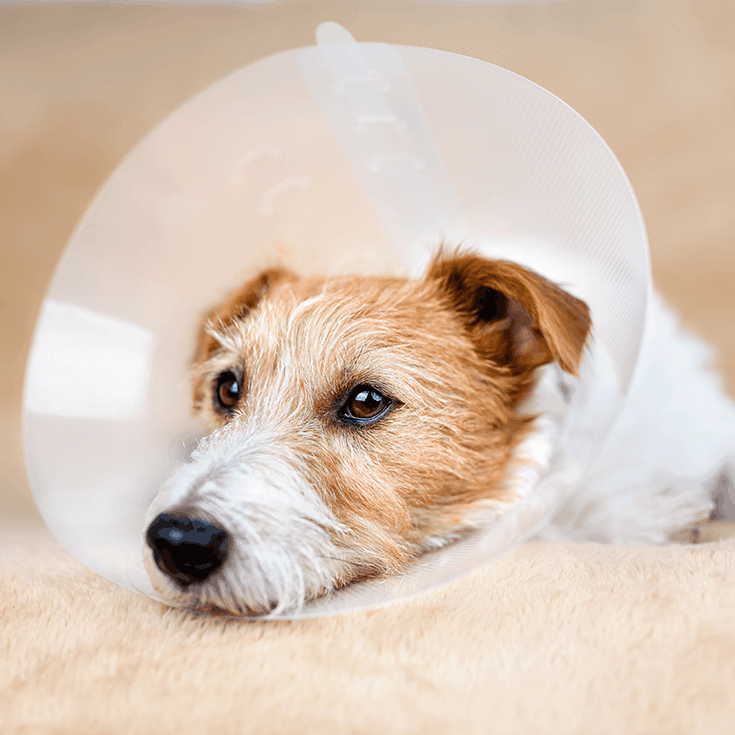
Your pet will need a calm place to rest while the incision heals. For a little while, that means no running, jumping, rough play, swimming, or bathing.
We’ll also help you choose the best way to keep your pet from licking or chewing at the incision. That may mean an e-collar, surgical suit, or another option depending on your pet.
Call us if you notice swelling, bleeding, discharge, missing sutures, an opening incision, repeated vomiting, extreme tiredness, or anything that makes you uneasy.
Expect a Few Quiet Days
Some pets act a little calmer after spaying or neutering, especially if certain behaviors were related to hormones. Others seem exactly like themselves once they feel better.
A few sleepy or low-energy days after surgery are expected. A loss of personality, affection, or playfulness is not.
Watch Food and Weight
As pets grow and mature, their calorie needs can change. After spay or neuter surgery, some pets may need a small decrease in the food offered to help them stay at a healthy weight.
We can help you figure out the right feeding routine for your pet’s age, body condition, and lifestyle.
A Higher Standard for Routine Surgery
Spay and neuter surgery is common, but that doesn’t mean it should ever feel routine to the people performing it. Your pet deserves careful planning, attentive monitoring, and a team that takes their comfort seriously.
Give us a call at 717-246-3611 to set up a consultation, schedule the procedure, or ask any questions.