

Cat Tooth Resorption: What Every Owner Should Know
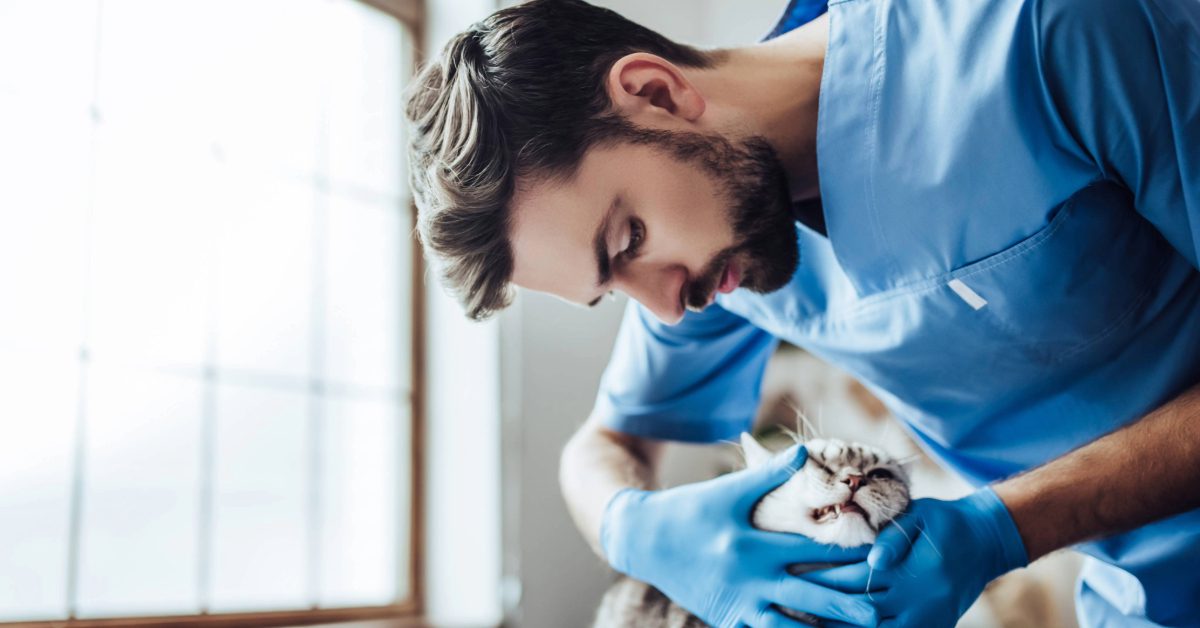
Cat tooth resorption is a painful, progressive condition in which a cat’s body gradually breaks down the structure of its own teeth. It is one of the most common dental problems in adult cats, yet many owners have never heard of it because cats rarely show obvious signs of mouth pain. At Patton Veterinary Hospital in Red Lion, PA, we often discover these lesions during dental exams in cats whose families believed they were perfectly comfortable. This blog explores what causes cat tooth resorption, how it looks in the mouth, how quickly it advances, and what you can realistically do to lower your cat’s risk. We also cover how veterinarians confirm and treat the condition. Every cat is different, so please treat this as general education, not a diagnosis for your own pet.
What Causes Cat Tooth Resorption?
Nobody has pinpointed a single cause, and that honest answer surprises many owners. Veterinary researchers know what happens inside the tooth, but not exactly why it starts. Specialized cells called odontoclasts begin dissolving the hard tissue of a tooth, working from the outside in. Eventually the process reaches the sensitive inner pulp, and the tooth becomes a source of ongoing pain.
What Researchers Have Explored
Scientists have studied several possible contributors to cat tooth resorption, though none has been proven as the sole trigger:
- Chronic gum inflammation near the affected tooth
- Diet and vitamin D intake
- Age, since middle-aged and senior cats are affected more often
- Immune and inflammatory responses in the mouth
- Genetics, because some cats and families appear more prone
Because the origin is unclear, a cat can develop the condition even with a spotless diet and a caring home. Owners should never blame themselves. Feline tooth resorption shows up in indoor cats, outdoor cats, purebreds, and shelter rescues alike.
Two Types Veterinarians Recognize
Dental X-rays reveal that lesions fall into two general patterns. In one, the root remains intact while the crown deteriorates. In the other, the root itself begins to dissolve and may be replaced by bone-like tissue. The distinction matters because it guides how your veterinarian removes the tooth. Only an X-ray can tell the two apart, which is one reason a visual check of the mouth is never enough on its own.
Many cats have more than one affected tooth, and lesions often appear on the premolars and molars along the gumline. When your veterinarian finds one, a full set of dental radiographs helps reveal others hiding beneath healthy-looking gum tissue.
What Does Cat Tooth Resorption Look Like, and How Painful Is It?
Cat tooth resorption can look like a small red bump at the edge of the gum, a chipped tooth, or a hole in the crown. Sometimes red gum tissue grows over the damaged spot and hides it. Since these lesions often sit at the back of the mouth or below the gumline, most owners cannot see them at all.
Changes You Might Notice at Home
Cats mask discomfort, so the clues tend to be quiet. You might notice:
- Dropping kibble or chewing on one side
- Approaching the bowl eagerly, then walking away
- Drooling or a small amount of blood on toys or bedding
- Chattering or twitching of the jaw while eating
- Sudden dislike of hard food or treats
- Bad breath, or a cat who resists having the face touched
None of these signs proves a cat has the condition, since other dental and health problems look similar. They are simply worth mentioning to your veterinarian.
How Painful Is Feline Tooth Resorption?
The honest answer is very painful, especially once the lesion exposes the tooth’s inner layers. Nerves inside a tooth react strongly to air, temperature, pressure, and food. Many veterinarians compare the discomfort to a deep cavity in a human tooth. Cats often adapt by eating differently, sleeping more, or grooming less rather than crying out, so owners may not realize how much their pet has been coping with.
That silence is why routine dental exams are so valuable. During an exam at Patton Veterinary Hospital, our team checks each tooth and the surrounding gums, and we may recommend anesthetized dental X-rays when something looks suspicious. Under anesthesia, the mouth can be examined thoroughly and any painful teeth can be addressed in the same visit. Relief after treatment can be dramatic. Owners frequently report a more playful, affectionate cat within days of a painful tooth coming out.
How Long Does Cat Tooth Resorption Take?
There is no reliable clock. Cat tooth resorption usually advances slowly, over months or even years, but the speed varies widely from one cat and one tooth to the next. A lesion that seems tiny at one checkup may look dramatically different a year later, while another may change very little.
Why Progression Is Hard to Predict
Each tooth follows its own path. Some lesions stay shallow for a long time, and others reach the pulp quickly. A cat may have several teeth at different stages simultaneously, which makes timelines even harder to forecast. This unpredictability explains why veterinarians rely on periodic exams and imaging instead of guesswork.
Early Stages Versus Advanced Stages
In the earliest stage, damage affects only the outer enamel, and the cat may feel little. As the process reaches deeper layers, sensitivity grows. In advanced stages, the crown can break off, leaving root fragments beneath the gums that still cause pain and inflammation. Advanced cases are often more involved to treat, which is a strong argument for catching cat tooth resorption earlier.
This slow, uneven pace also explains why a cat can seem fine at one visit and need treatment at the next. Regular checkups give your veterinarian a chance to track changes over time rather than react to a crisis.
Can You Prevent Cat Tooth Resorption?
Not with certainty. Because the cause remains unknown, no product or routine has been proven to stop cat tooth resorption from developing. What you can do is shorten the time between the first lesion and treatment, which spares your cat months of hidden pain.
Steps That Support Your Cat’s Oral Health
Good habits will not guarantee prevention, but they help your cat’s mouth stay as healthy as possible and make problems easier to catch:
- Schedule regular veterinary dental exams, typically at least once a year
- Ask whether dental X-rays make sense for your cat’s age and history
- Talk with your veterinarian about home dental care your cat will tolerate
- Choose a complete, balanced cat food and discuss any diet changes first
- Report changes in eating habits promptly
Why Early Detection Matters Most
Surface-level checks miss a great deal, since many lesions hide below the gums. Dental radiographs let your veterinarian see the roots and identify trouble long before a cat shows symptoms. Catching cat tooth resorption early usually means treating fewer teeth and less advanced damage.
Senior cats deserve extra attention, because the condition becomes more common with age. Even so, younger adult cats can be affected, so waiting for old age is not a safe plan. If you are unsure how often your cat should be examined, our team at Patton Veterinary Hospital can build a schedule around your cat’s age, health, and dental history.
What are Treatment Options for Cat Tooth Resorption?
The primary treatment for cat tooth resorption is removing the affected tooth or, in certain cases, removing only the crown. There are no medications, professional teeth cleanings, or root canal treatments that can stop or correct the condition.
Because tooth resorption does not reverse or stop on its own, your veterinarian will use dental X-rays to evaluate each affected tooth and determine the appropriate treatment. Cats generally eat comfortably after teeth are extracted, and many feel better once the painful tooth is removed.
Helping a Quiet Sufferer Feel Better
Cats are experts at hiding discomfort, which makes cat tooth resorption easy to miss and important to look for. You cannot control whether a tooth is affected, but you can control how soon someone finds out. A cat who eats carefully, drools, or avoids hard food deserves a closer look, and even a cat with no symptoms benefits from a regular dental exam. If you would like your cat’s teeth evaluated, Patton Veterinary Hospital in Red Lion, PA welcomes your questions and appointment requests. We can examine your cat’s mouth, explain what we find in plain language, and outline the next steps together. A painful tooth is treatable, and a comfortable cat is well worth the visit. Call us at 717-246-3611 to schedule your pet’s appointment today.
Recent Posts
About Us
Patton Veterinary Hospital has been part of the Red Lion community for more than a century. Families have trusted us through new puppies and kittens, senior pet care, unexpected illnesses, and all the everyday moments in between.
That history matters to us, but so does how we show up today. We hold ourselves to high medical standards, invest in thoughtful patient care, and work hard to make each visit feel personal.