
Apoquel Toxicity in Pets
Apoquel (oclactinib) is a fantastic drug for controlling itching in allergic dogs. However, there has been an increase in calls to pet poison control hotlines regarding oclactinib toxicity, especially in cats, due in part to the highly palatable chewable version.
Oclactinib is a JAK or Janus Kinase Inhibitor which blocks certain proteins from binding to cell receptors thereby reducing itching. While safe for dogs at label doses, high doses can cause stomach upset, vomiting and diarrhea, and more serious issues such as swelling of the face and eyelids, severe lethargy, heart issues like rapid heartbeat, low blood pressure, and liver and kidney damage. High doses can be fatal if not treated.
While JAK receptors on cells manage inflammation and immune response which is what Apoquel is targeting and inhibiting to reduce itching, these receptors also regulate red and white blood cell production and direct normal tissue repair and development. Too much Apoquel can affect these cell processes and cause damage to the body.
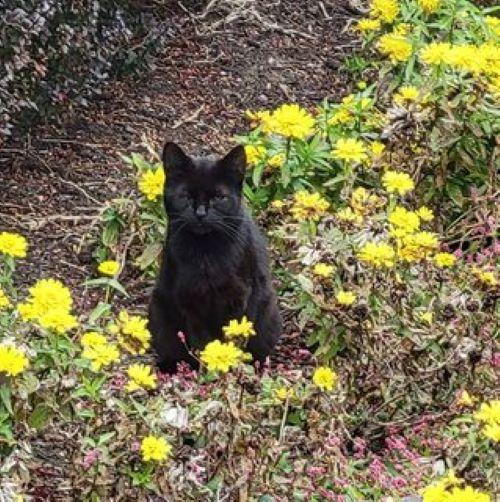
Cats are especially sensitive as they are not the intended species and their small body size means only a few pills can be highly toxic to a cat. Cats may be drawn to the flavoring in the chewable version. If you have cats, never give Apoquel unless under the direction of a veterinarian and be sure to keep pill bottles containing Apoquel tightly closed and out of reach of all pets to avoid accidental ingestion.
If you have a cat or dog who has ingested more than the recommended dose of Apoquel, contact a pet poison control center and seek veterinary care immediately. Pets who have ingested an overdose of oclactinib will likely need immediate medical treatment. Your veterinarian may induce vomiting to remove any remaining pills from the stomach, administer activated charcoal to prevent absorption of the drug and treat with IV fluids to combat dehydration. Frequent blood tests may be needed to monitor liver and kidney function and pets may receive additional medications and supportive care such as drugs to reduce nausea and vomiting, antihistamines, and pain medications. Pets who have received a toxic dose may require several days of hospitalization.
Apoquel is not a bad or dangerous drug when used in dogs at appropriate label dosages, and it provides significant relief to many dogs who suffer from allergies. However, care must be taken to prevent cats from accessing Apoquel and to avoid giving more than the recommended dose to dogs. Keep Apoquel and other JAK inhibitors (Numevli, Zenrelia) out of reach of pets, follow dosing directions, and do not administer more than the label dose. Seek emergency care if your cat has eaten any Apoquel tablets or your dog has received more than his or her normal dose.
ASPCA Poison Control Phone Number: (888) 426-4435
Pet Poison Helpline is available 24/7: (855) 764-7661
Recent Posts
About Us
Patton Veterinary Hospital has been part of the Red Lion community for more than a century. Families have trusted us through new puppies and kittens, senior pet care, unexpected illnesses, and all the everyday moments in between.
That history matters to us, but so does how we show up today. We hold ourselves to high medical standards, invest in thoughtful patient care, and work hard to make each visit feel personal.