

Microchip Awareness Month: Is Your Pet’s Information Up to Date?
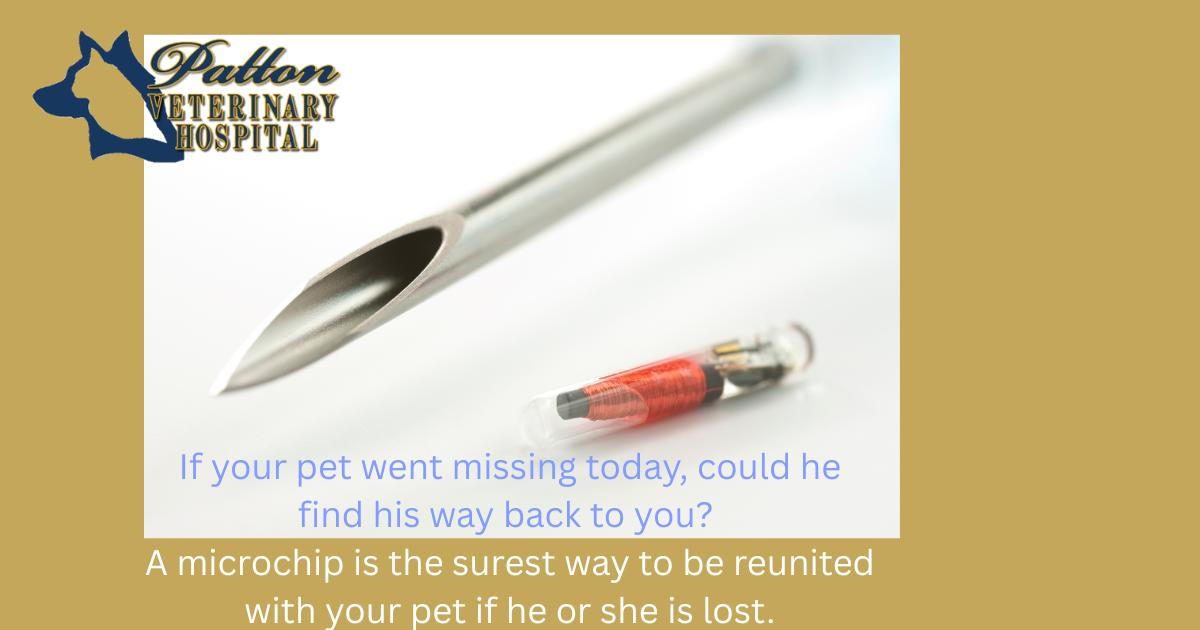
Every year, thousands of lost pets find their way back home thanks to one tiny device: a microchip. June is Microchip Awareness Month, making it the perfect time to ask yourself one important question: If your pet went missing today, could they find their way back to you?
Microchips are one of the safest and most effective forms of permanent identification available for pets. Implanting a microchip is quick and simple. The chip is placed just under the skin using a needle somewhat larger than those used for vaccinations, and sedation is not required. In Pennsylvania, a microchip number can even serve as a lifetime dog license when properly registered.
So, what exactly is a microchip?
A microchip is a tiny electronic device, about the size of a grain of rice, encased in glass. It is not a GPS tracker and cannot tell you where your pet is. Instead, it stores a unique identification number that can be detected by a radio frequency (RFD) scanner.
When a lost pet is brought to a veterinary hospital or animal shelter, staff members use a handheld scanner to check for a microchip. The scanner reads the chip’s unique number, which is then used to access the pet owner’s contact information through the microchip registration database. This is why registering the chip and keeping your contact information current is just as important as having the microchip implanted in the first place. If you’ve moved, changed phone numbers, or changed email addresses, take a few minutes to update your pet’s registration information.
Today’s universal scanners can detect the vast majority of microchips used in the United States, making it much easier to identify lost pets regardless of which company manufactured the chip.
Are there risks associated with microchips?
Serious complications from microchip implantation are extremely uncommon. Mild soreness at the injection site may occur, similar to what your pet might experience after a vaccination. Rarely, a microchip can migrate slightly from its original location beneath the skin, but this generally does not affect its function or cause any harm. Very rarely, a microchip may fail and become unreadable. If this occurs, another chip can be implanted if needed.
Even though microchips provide permanent identification, they should never replace a collar and ID tag. Visible identification remains the quickest way for a neighbor or passerby to help reunite you with your pet. Think of a microchip as a backup plan that stays with your pet for life, even if collars break or tags fall off.
Many people assume that indoor pets don’t need microchips because they never go outside. However, frightened cats can dart through open doors, dogs can slip through gates, and unexpected events such as house fires or natural disasters can separate pets from their families. Indoor pets get lost, too.
If your pet does not have a chip, consider talking with your veterinarian about having one placed. If your pet already has a microchip, Microchip Awareness Month is an excellent reminder to verify that your registration information is accurate and up to date.
Patton Veterinary Hospital offers microchip services for both dogs and cats. If you have questions about microchips or would like to schedule an appointment, please contact our team. A simple procedure today could make all the difference in bringing your pet home tomorrow.
This content was drafted with the assistance of an AI language model and reviewed for accuracy by Patton Veterinary Hospital.
Recent Posts
About Us
Patton Veterinary Hospital has been part of the Red Lion community for more than a century. Families have trusted us through new puppies and kittens, senior pet care, unexpected illnesses, and all the everyday moments in between.
That history matters to us, but so does how we show up today. We hold ourselves to high medical standards, invest in thoughtful patient care, and work hard to make each visit feel personal.