

Recognizing Pain in Pets
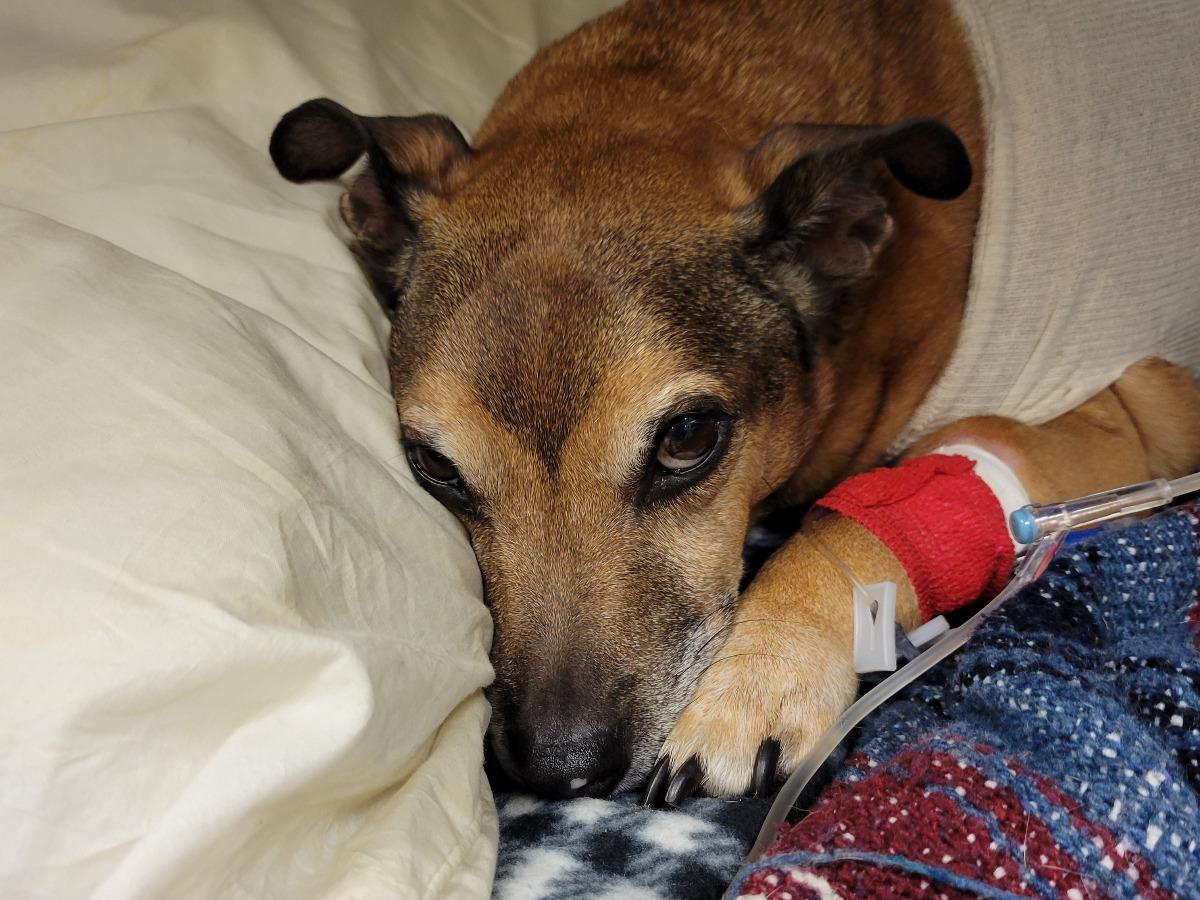
September is Animal Pain Awareness Month. Our pets can experience pain for a variety of reasons, but pain can be difficult to recognize in our companion animals. Let’s learn some of the signs that may indicate pain in pets.
It is instinctual for animals to want to hide their pain. As a result, symptoms are often subtle and may go unnoticed especially in cases of chronic pain. A pet in pain may exhibit one or more of these signs:
- Decreased appetite
- Reluctance to get up or move around, changes in behavior, slow movement or reduced activity
- Difficulty jumping or using stairs, repeatedly changing position or struggling to sit or lie down
- Hiding, decreased interaction or reluctance to participate in normal activities, sleeping in areas not normal for the pet
- Guarding or holding up a painful body part, limping
- Unusually aggressive behavior–snapping or biting when handled
- Increased breathing rate or panting
- Changes in sleep patterns, grooming behavior, or changes in litter box habits
- Squinting eyes or tense posture, changes in facial expression
- Vocalization: this one is tricky. Many pets will NOT cry out or make unusual noises, even when in pain. However, acute or severe pain may cause some animals to yelp, whine, cry, growl, hiss, or meow more than usual.
These symptoms also apply to birds, reptiles or pocket pets in pain, although signs of pain in these species can be especially subtle and easy to miss.
If you think your pet is in pain:
First: Handle the pet carefully as pain may cause a pet to try to scratch or bite to avoid being hurt. Be safe if you have to aid or transport your pet.
Second: Don’t give any over-the-counter pain medications to your pet without consulting your veterinarian! The effects of many common pain medications such as ibuprofen and acetaminophen can be harmful, toxic or fatal to pets, especially cats. While you want your pet to be comfortable, risking a toxic exposure to pain medication can make things worse in the long run.
Third: Seek veterinary care. Not all pain is an emergency; however, sudden, severe, or unexplained pain should be evaluated by a veterinarian as soon as possible. Severe abdominal pain, difficulty breathing, sudden weakness, inability to walk, or severe neck or back pain may be signs of a serious or life-threatening condition and should be treated as an emergency.
Seek veterinary advice and care as soon as you can. It’s better to be cautious and get treatment for your pet than to ignore a potentially serious problem or have your pet be in serious pain for too long.
What can you do if you can’t get to the veterinarian? A little first aid can go a long way. For a minor injury, keeping your pet quiet and restricting activity can help prevent further injury. A wrapped cold pack may help reduce swelling from some new injuries if your pet tolerates it. Never apply ice directly to the skin. Be cautious with bandaging, as some bandages can be applied too tightly causing further pain and tissue damage. If your pet has a minor wound or laceration, you can gently clean the wound with saline or warm water and use an Elizabethan collar if needed to prevent the pet from licking the wound.
Older patients may also experience chronic pain associated with arthritis or dental pain. Slower movements, struggling to get up, and decreased activity and eating slower or eating less are NOT just normal aging changes. Most pets will continue on with their daily lives even while experiencing chronic pain. We can often improve quality of life with a combination of appropriate exercise, weight management, environmental changes, nutritional support, supplements, and prescription pain medications when appropriate to reduce pain and help pets continue to live their best lives.
If you notice a change in your pet’s normal behavior or activity level, don’t wait for obvious signs of pain before contacting your veterinarian.
AI assistance was used in reviewing and refining this article.
Recent Posts
About Us
Patton Veterinary Hospital has been part of the Red Lion community for more than a century. Families have trusted us through new puppies and kittens, senior pet care, unexpected illnesses, and all the everyday moments in between.
That history matters to us, but so does how we show up today. We hold ourselves to high medical standards, invest in thoughtful patient care, and work hard to make each visit feel personal.