Pet Food Safety: What Every Pet Owner Should Know
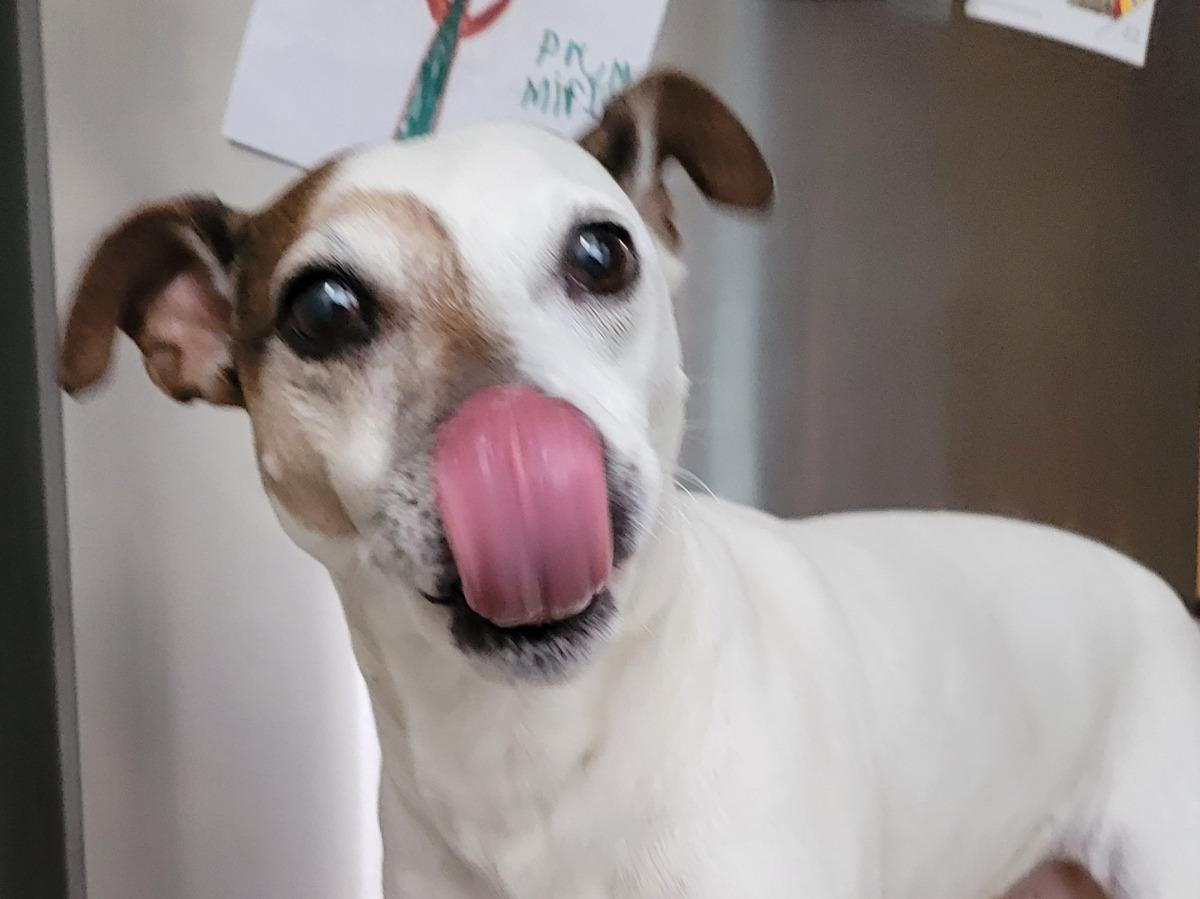
There are currently many options for feeding our dogs and cats including canned and dry foods, home cooked diets, and fresh/frozen diets. While most canned and dry foods have fairly long shelf lives, food safety is important no matter the type.
Kibble is the most shelf-stable, but, if your pet’s dry food ever smells rancid or has signs of mold or contamination, do not feed it. Dry foods can occasionally be infested with grain mites or grain beetles as well. While the bugs are not toxic, food should be discarded if any mites or beetles are found. Store dry pet food in a cool dry area in the original bag or in a sealed storage bin.
Don’t forget the bowl! Clean and dry food bowls, scoops or utensils, and storage containers periodically, especially if the food in the container was contaminated.
Fresh foods such as The Farmer’s Dog or FreshPet have a shelf life of about 5-7 days once opened. Frozen foods can often be stored longer for 6-12 months. However, always read and follow manufacturer instructions for specific brands as shelf-life and storage recommendations may vary.
For home cooked diets, the same type of care must be taken when preparing food for our pets as we use for ourselves.
- Wash utensils and hands when handling raw meats.
- Thaw foods in the refrigerator and cook foods thoroughly
- Due to risk of infections like Salmonella, raw foods are not recommended. Keep raw meats separate from other foods to prevent spread of harmful bacteria.
- Side note: bacterial contamination of raw or fresh/gently cooked pet foods can pose a risk to humans, especially in children, the elderly or those who are immunocompromised or pregnant.
- Refrigerate cooked foods and use leftovers within 3-5 days or freeze portions
Avoid potentially toxic foods in home cooked diets such as
- Onions and garlic
- Grapes and raisins
- Xylitol and other artificial sweeteners which may be found in foods such as some peanut butters
- Avocado or avocado oil
- Cooked bones
- When should I throw food away? Throw pet food away if it has an unusual or rancid odor, visible mold, insects, or contains foreign material. Cans or pouches that are bulging, leaking, or significantly damaged should also be discarded.
Finally, avoid feeding any pet foods that have been recalled for any reason. Pet food recalls can be found at https://www.avma.org/news/recalls-alerts?sort_by=title&page=5
If you find your pet’s food has been recalled:
- Stop feeding it immediately.
- Check the brand, product, lot number, and best-by date against the recall notice if you still have the original packaging
- Dispose of recalled food in a safe manner so pets and wildlife cannot access it and do not donate contaminated or recalled foods.
- Wash bowls, scoops, storage containers, and other surfaces that contacted the food.
- Contact your veterinarian if your pet becomes ill after eating the product.
Remember, pet food safety is just as important as food safety for our own food. Keep pets, and people, safe by practicing good hygiene if cooking food and inspecting pet foods for signs of spoilage before feeding.
Recent Posts
About Us
Patton Veterinary Hospital has been part of the Red Lion community for more than a century. Families have trusted us through new puppies and kittens, senior pet care, unexpected illnesses, and all the everyday moments in between.
That history matters to us, but so does how we show up today. We hold ourselves to high medical standards, invest in thoughtful patient care, and work hard to make each visit feel personal.