

Four Scents that Cats Hate
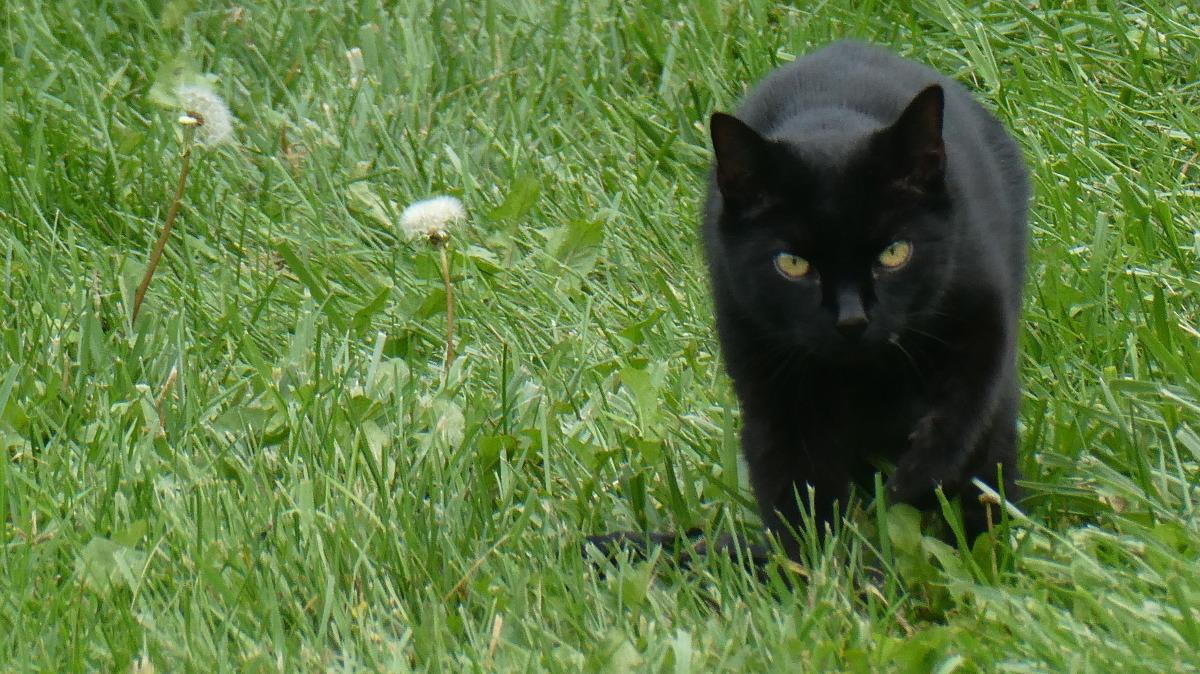
Cats may not have quite the same powerful sense of smell that dogs possess, but they have more scent receptors than humans, and, they tend to have the ability to better distinguish between more subtle scent variations due to having more scent-identifying VR1 proteins.
With this in mind, there are some scents that can be overpowering or off-putting to cats due to their strong sense of smell. Let’s look at four of our feline friends’ least favorite scents.
- Citrus. Cats are not fans of citrus scents like orange or lemon. The strong, astringent odors of citrus fruits smell good to us, but are not appreciated by cats. Citrus scented sprays, soaps, and other products should be avoided for the most part if you have cats. However, this dislike of citrus can be used to our advantage if trying to keep cats away from certain areas or to deter urine marking. Use caution with citrus essential oils which can be toxic to cats if ingested due to compounds called limonene and linalool which can damage a cat’s liver.
- Lavender and other floral scents. Cats are not big fans of floral scents, and lavender is top of the list. We think of lavender as being calming, but this odor is not pleasant to cats and, this is another herb and essential oil that can actually be quite toxic. Lavender oils can cause signs like difficulty breathing, drooling, fatigue, and muscle tremors whether inhaled or ingested. Fresh or dried lavender plants can also be toxic if ingested causing symptoms like vomiting or diarrhea, depression, disorientation, tremors, lethargy, or difficulty breathing. Avoid lavender essential oils if you have cats and ensure cats cannot ingest lavender plants or dried lavender.
- Mint, eucalyptus, and menthol scents. Scents like peppermint and eucalyptus are pleasing to people, but cause kitties to turn up their noses at these strong odors. A mint soap or spray is not likely to cause any serious problems and may be used as a deterrent to keep cats away, but, as with the other scents discussed, pure peppermint oil or extract and other mint essential oils (eucalyptus, wintergreen, etc., are highly toxic to cats if ingested or inhaled. Avoid use of these essential oils in diffusers in households with cats as they can cause skin and respiratory irritation and gastric upset if ingested as well as potential liver damage due to salicylates in the oils.
- Coffee. This one is a bit controversial as many cats seem to be intrigued by that morning cup of coffee and may even try to take a lick! It’s been speculated that they may be just curious or after the cream or sugar in your mug. Coffee should not be given to cats as the caffeine can be dangerous. Cats do seem to dislike the stronger scent of coffee grounds and the grounds may be used to keep cats out of gardens and flower beds, especially when combined with citrus peels and cayenne pepper. Use caution if your pet cat seems to be the odd one out who may try to ingest coffee grounds.
As you can see, there are some scents that cats just do not enjoy and that can actually be quite toxic. Citrus and mint scents may be used to keep kitties away from certain areas, but be careful not to use full strength essential oils or diffusers around cats,
https://harlingenveterinaryclinic.com/blog/is-lavender-safe-for-cats/
https://www.petmd.com/cat/general-health/what-smells-do-cats-hate
Recent Posts
About Us
Patton Veterinary Hospital has been part of the Red Lion community for more than a century. Families have trusted us through new puppies and kittens, senior pet care, unexpected illnesses, and all the everyday moments in between.
That history matters to us, but so does how we show up today. We hold ourselves to high medical standards, invest in thoughtful patient care, and work hard to make each visit feel personal.