Why Do Dogs Eat Their Poop?
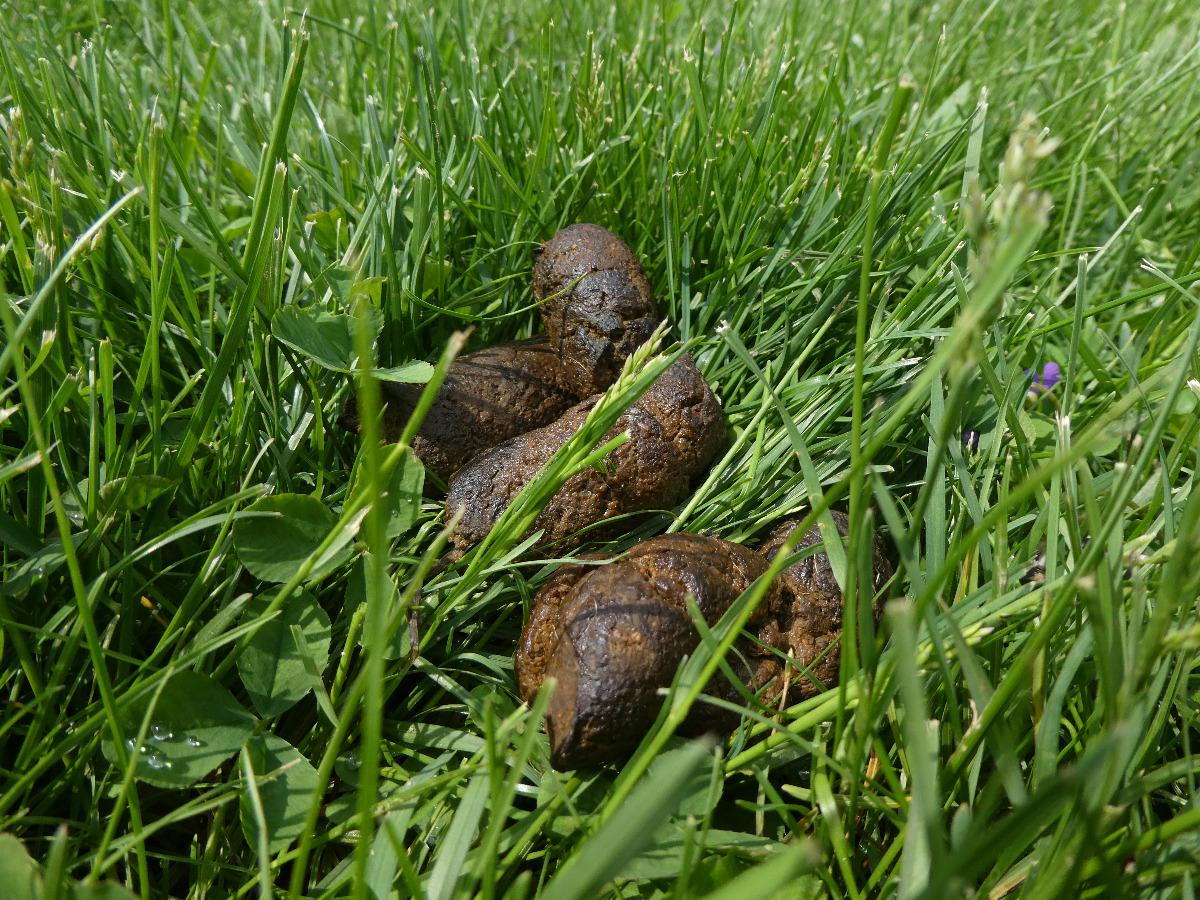
At Patton Veterinary Hospital, we get this question quite often: Why does my dog eat poop and what can I do to stop it? Studies have shed some light on why dogs like to eat feces, but no one yet seems to have a foolproof solution to the problem.
Is It Instinct?
An article published in January 2018 by several researchers at the University of California, Davis suggests that instinct may lead our furry friends to perform such a disgusting act. Veterinary researchers proposed that dogs may be acting like ancestral wolves that ate stool to keep their dens clean and parasite-free. Yes, coprophagy (the ingestion of feces) may be linked to an attempt at cleanliness and parasite prevention.
Instinctual behaviors such as mother dogs licking their puppies to clean them, scavenging behaviors, and learned social behaviors may also contribute to dogs eating poop. Dogs also explore with their noses and mouths and may simply be attracted to the smell, texture, or—yuck—taste of different feces.
Other veterinarians have hypothesized that coprophagic dogs might be trying to satisfy a nutritional need. Stray dogs in some countries are known to eat both human and animal feces if food is scarce. Dr. James Serpell of the University of Pennsylvania said, “Modern dogs and cats are fed diets that are relatively rich in fats and protein, not all of which may be completely digested, making their feces potentially attractive as a secondhand food source.”
Could It Be a Medical Problem?
Most dogs eating a good quality commercial pet food should be getting all the nutrition they need. However, some home-cooked or “boutique” diets may not provide complete nutrition, and, in some cases, the dog may not be eating enough calories in a day.
Dogs may also have medical conditions such as pancreatic insufficiency or Cushing’s Disease causing poor nutritional absorption or increased hunger. Senior dogs with cognitive dysfunction (a form of dementia) may also eat poop.
If your dog suddenly develops a taste for poop, loses weight, or shows other concerning symptoms, talk to your veterinarian. He or she may suggest blood tests or other diagnostics to rule out medical reasons that may make your dog want to snack on stool.
Behavioral Causes
Behavioral issues such as anxiety, boredom, or stress may also lead to coprophagy. Dogs may be trying to avoid punishment if they poop in the house by consuming the evidence. They may be attention-seeking, stressed by a change in routine, or the behavior may even become compulsive.
Gross as it is, some dogs seem to develop a taste for stool, which can lead to compulsive behavior. This makes for a hard habit to break.
How Can You Stop It?
Studies have also looked at the effectiveness of behavioral training and commercial and home remedies intended to stop dogs from eating stool. Sadly, none of the products or training methods proved consistently successful at stopping stool-eating behavior.
It seems that keeping the yard or litterbox free of fecal matter is the best bet at stopping stool-eating. Also, avoid punishing your pet for accidents in the house. Scolding dogs for eating stool may increase stress and can sometimes worsen the behavior.
Ensure good nutrition and make sure pets are getting adequate calories per day. Make sure pets get plenty of exercise and attention, stick to a routine to limit stressors, and consider teaching a “leave it” command or using a basket muzzle on stubborn dogs if they need to be in the yard unsupervised.
Eating stool is not always harmful to pets, but they can acquire bacterial or parasitic infections from this behavior. Take heart that if you have one of these indelicate pooches, you are not alone!
References / Sources
- Hart, B. L., Hart, L. A., Thigpen, A. P., & Willits, N. H. (2018). The paradox of canine conspecific coprophagy. Veterinary Medicine and Science.
- American Kennel Club. Why Dogs Eat Poop and How to Stop It.
- VCA Animal Hospitals. Coprophagia in Dogs.
- https://veterinarypartner.vin.com/default.aspx?pid=19239&id=8587687
- https://www.animalhumanesociety.org/resource/poop-there-it-real-story-behind-why-your-dog-eats-poop
This content was drafted with the assistance of an AI language model and reviewed for accuracy by Patton Veterinary Hospital.
Recent Posts
About Us
Patton Veterinary Hospital has been part of the Red Lion community for more than a century. Families have trusted us through new puppies and kittens, senior pet care, unexpected illnesses, and all the everyday moments in between.
That history matters to us, but so does how we show up today. We hold ourselves to high medical standards, invest in thoughtful patient care, and work hard to make each visit feel personal.