

My Pet Ate a Bug! Should I Be Worried?
Summer is prime time for bugs: fireflies, cicadas, crickets, ants, you name it! Curious pets may be tempted to hunt and eat insects. In most cases, eating a bug or two poses no concern.
However, eating large numbers of insects could cause stomach upset or intestinal blockage due to the bugs’ outer shells. And, there are a few insects that may cause more serious problems if eaten. Let’s look at some common insects in our area and whether or not they are cause for concern.
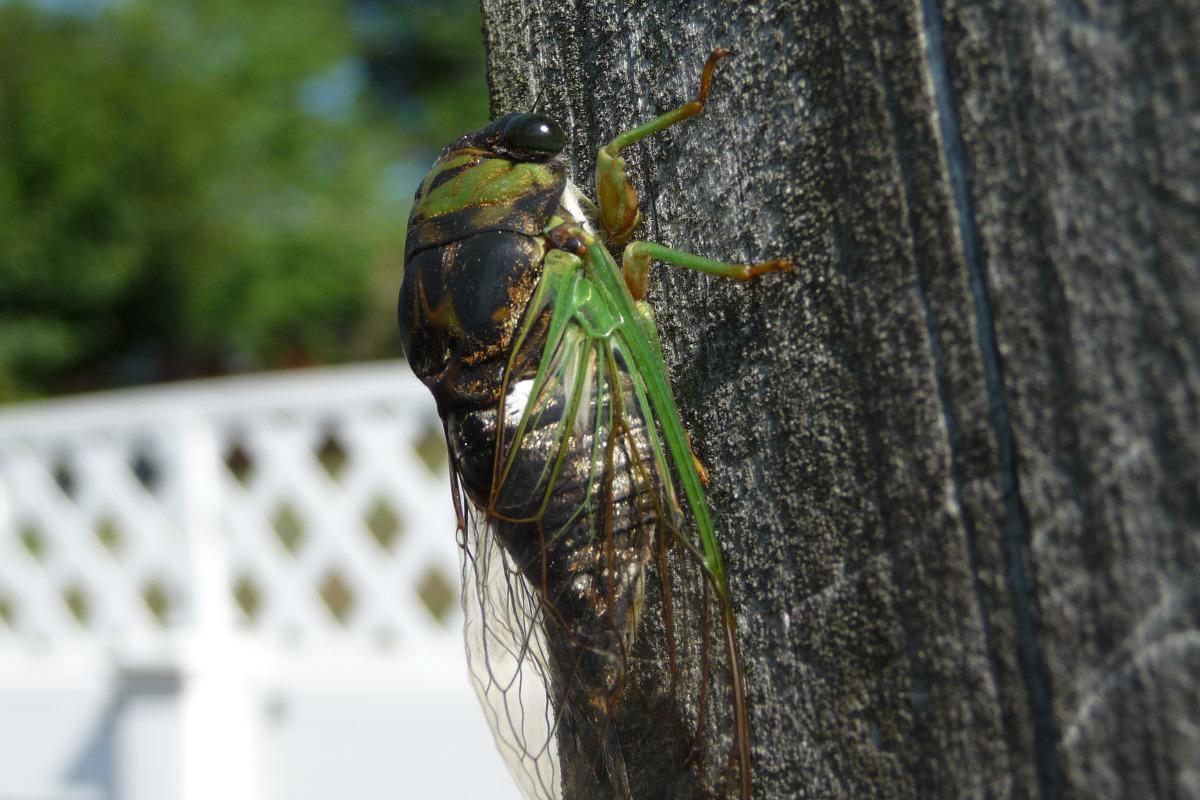
- Cicadas—cicadas emerge in mid to late summer. While PA is not expecting a large brood this year, cicadas and the shells they leave when molting are attractive to dogs and cats. Cicadas are harmless and are not toxic, but discourage pets from eating large numbers of them.
- Fireflies—fireflies ARE toxic though not usually fatal. Fireflies contain chemical defense molecules called lucibufagins. While toxic, these compounds are also very bitter which makes it less likely that pets will eat more than one. If a lightning bug is accidentally swallowed, it may cause drooling and vomiting. It is unlikely that a pet would ingest enough toxin to cause serious illness; however, in lizards, firefly ingestion can be deadly.
- Crickets/grasshoppers—crickets and grasshoppers are not toxic and pose no concern if eaten but discourage pets from eating too many.
- Spotted Lanternflies—there was some speculation that eating spotted lanternflies could cause serious illness in pets, but it seems that they are more likely to cause only minor problems like vomiting or drooling if eaten.
- Stink bugs—similar to lanternflies, stink bugs are non-toxic, but they do emit a foul- smelling fluid that can irritate the mouth and stomach leading to drooling or minor gastrointestinal upset.
- Hickory Tussock Caterpillar—these caterpillars are not actually toxic, but they do have defensive barbed hairs that can cause excessive drooling, pawing at the face or mouth, local swelling, redness, and mild irritation if eaten.
- Bees/wasps—bees and wasps are not toxic if swallowed. The risk comes if the bee or wasp is alive and stings your pet inside the mouth or throat. If stung, pain and swelling in the mouth or throat could occur causing drooling, difficulty eating and, in rare cases, difficulty breathing or severe allergic reaction.
As you can see, most bugs are harmless if your pet eats one. However, it is important to make sure pets are not eating large numbers of insects since some can be toxic or cause intestinal obstruction.
If your pet seems to be experiencing pain, difficulty eating, vomiting, lethargy or other symptoms after eating a bug, seek veterinary attention as soon as possible.
Recent Posts
About Us
Patton Veterinary Hospital has been part of the Red Lion community for more than a century. Families have trusted us through new puppies and kittens, senior pet care, unexpected illnesses, and all the everyday moments in between.
That history matters to us, but so does how we show up today. We hold ourselves to high medical standards, invest in thoughtful patient care, and work hard to make each visit feel personal.