
World Rabies Day
September 28th is World Rabies Day, a day to bring awareness to one of the world’s deadliest diseases. Cases of rabies in humans are infrequent in the United States and survival is more likely today especially if treated swiftly. However, about 59,000 people die from rabies each year in other parts of the world, especially in Africa and Asia. Despite human cases of rabies infection in the U.S., hundreds of thousands of animals need to be placed under observation or be tested for rabies each year, and around 100,000 people need to receive rabies postexposure prophylaxis due to exposure to the virus. According to the CDC, there has been an increase in post-exposure rabies vaccination in humans in 2026. Pharmacy data from mid-2026 showed a sharp rise in the utilization of rabies vaccines (estimated up 33%) and rabies immunoglobulins (estimated up 76%) compared to the same period in 2025
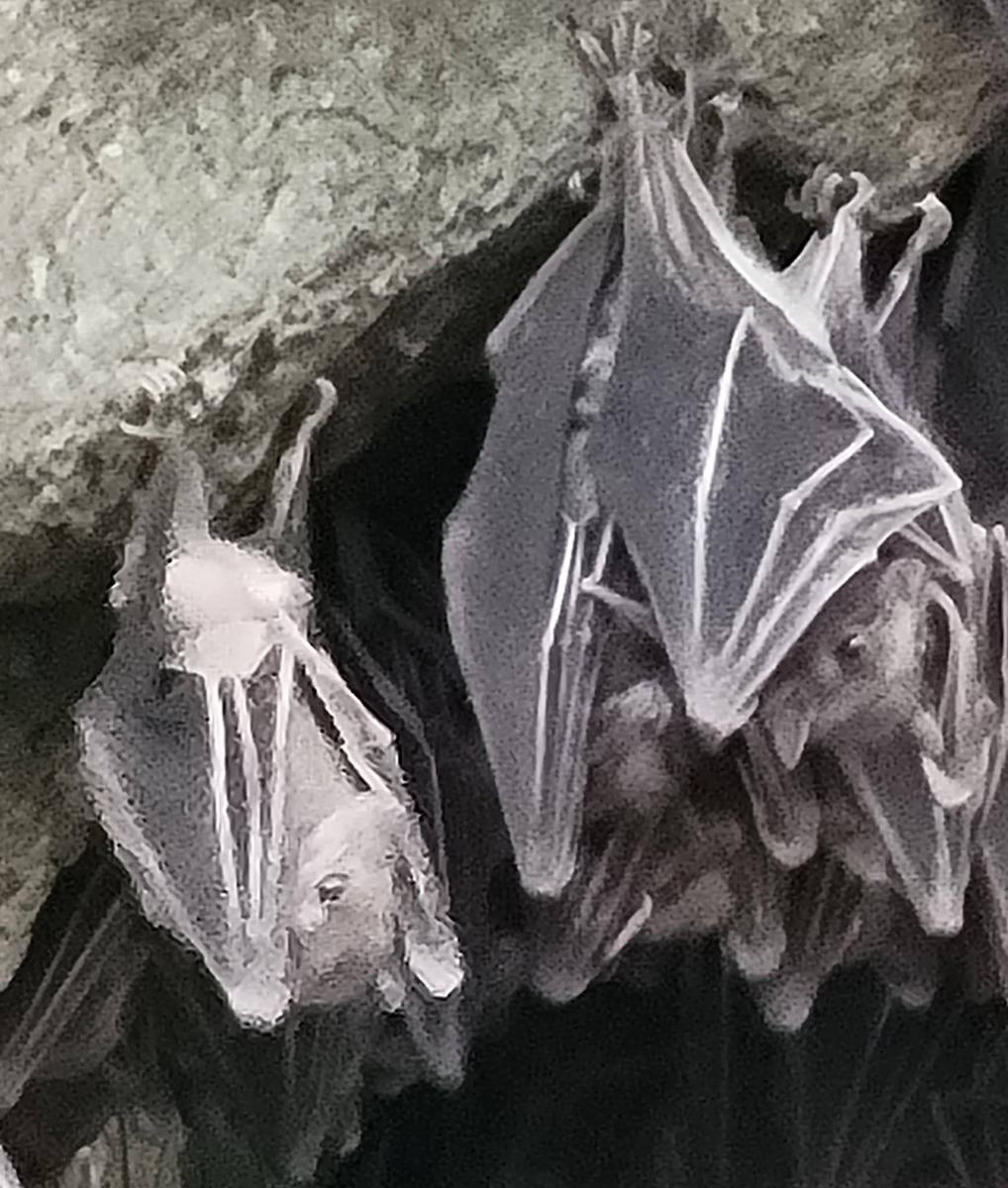
Rabies is a virus that affects the nervous system causing symptoms such as difficulty swallowing, excess salivation, fever, confusion, staggering, and aggression. Rabies is found in the saliva and infection most commonly occurs through a bite wound. All mammals can potentially be infected but the most commonly affected wild animals include bats, skunks, raccoons, fox and coyotes. Domestic animals are also at risk, including dogs, cats, ferrets, horses, cattle and sheep. Animals such as birds, reptiles and amphibians are not affected by rabies. Infection is highly fatal, especially once symptoms appear.
In Pennsylvania, there were a total of 205 cases of rabies positive animals identified in so far in 2026. Cats remain the most commonly affected domestic animals with 30 cases in PA, 5 of which were in York County. Of wild animals, raccoons had the highest incidence of rabies with 79 cases across Pennsylvania, followed by 39 bats, and 16 skunks. Pennsylvania ranks among the top states for rabies positive animals in the US.
Safe, effective vaccines are available for dogs, cats and ferrets as well as livestock and should be administered by a licensed veterinarian every one to three years for the life of the pet. Rabies is required by PA state law and owners of unvaccinated pets may be fined up to $500.
It is vital to have your pets vaccinated regularly against rabies not only to prevent infection in our companion animals but also in ourselves. Even pets who live indoors can have exposure if a rabid animal such as a bat gets into your house. If you suspect your pet has been bitten by a wild animal, especially if bitten by an animal displaying unusual symptoms, contact your veterinarian immediately and have the wild animal killed and tested for rabies if at all possible. If your pet is not up to date on rabies vaccination, he or she may need to be quarantined in your home for up to 180 days depending on the situation. If you are bitten by or were exposed to a wild animal or are bitten by a cat or dog of unknown rabies status, seek medical attention immediately.
Help prevent rabies by properly vaccinating pets and livestock, limiting pets from roaming free outdoors, preventing attraction of wildlife by not leaving garbage or food outside and by bat-proofing your home. Never approach or handle wildlife and report any wild animals that are acting strangely to an animal control officer.
Rabies is a completely preventable disease with proper vaccination, but is deadly if contracted.
https://www.avma.org/resources-tools/one-health/rabies
https://www.agriculture.pa.gov/Animals/AHDServices/diseases/Pages/Rabies.aspx
Recent Posts
About Us
Patton Veterinary Hospital has been part of the Red Lion community for more than a century. Families have trusted us through new puppies and kittens, senior pet care, unexpected illnesses, and all the everyday moments in between.
That history matters to us, but so does how we show up today. We hold ourselves to high medical standards, invest in thoughtful patient care, and work hard to make each visit feel personal.