

How Often to Brush Your Dog’s Teeth
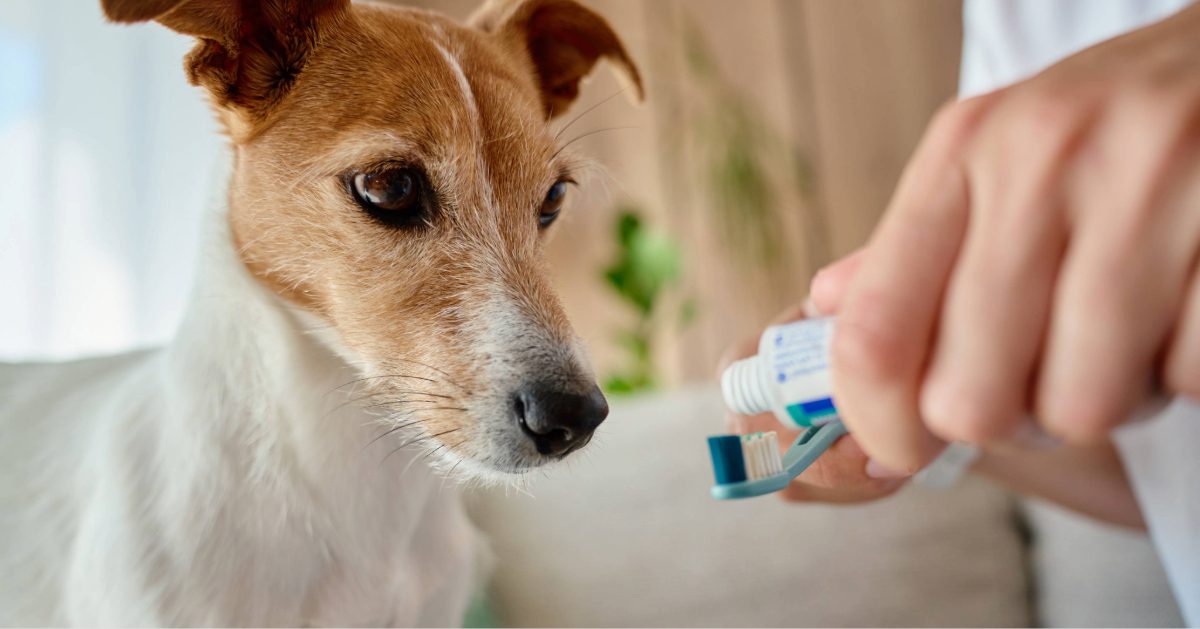
Most dogs do best with daily tooth brushing. If daily brushing isn’t realistic, aim for at least three to four times per week, since plaque begins hardening into tartar within a few days. Knowing how often to brush your dog’s teeth is one of the simplest ways to protect your dog’s breath, gums, and overall health. At Patton Veterinary Hospital in Red Lion, PA, we talk with pet owners about dental care every day, and the same questions keep coming up. Is brushing really necessary? What toothpaste is safe? What happens if you miss a few days? This guide answers all of them in plain language. You will learn how often to brush your dog’s teeth, which supplies work best, how to build a calm routine, and what to do when your dog refuses a toothbrush.
Is It Necessary to Brush a Dog’s Teeth?
Yes, brushing is the most effective step you can take at home to protect your dog’s mouth. Food particles and bacteria form a sticky film called plaque on your dog’s teeth every day. Within a few days, that plaque mineralizes into tartar, a hard yellow or brown deposit that only a professional cleaning can remove. Tartar irritates the gums, and over time it can lead to periodontal disease, one of the most common health problems veterinarians see in adult dogs. Because the bacteria involved can also affect the rest of the body, dental care is about far more than fresh breath.
How Often to Brush Your Dog’s Teeth for Best Results
The gold standard for how often to brushing a dog’s teeth is once a day. Daily brushing disrupts plaque before it hardens. If your schedule or your dog’s patience makes that difficult, three to four times per week still delivers real benefits. Anything less leaves plenty of time for tartar to form. The right routine varies from dog to dog, and several factors play a role:
- Size and breed: Small and toy breeds often have crowded teeth that trap debris, so they tend to benefit from daily attention.
- Age: Puppies are ideal for learning the routine, while senior dogs may need a gentler approach.
- Diet and chewing habits: Dogs who eat soft food or rarely chew may build plaque at a different pace.
- Dental history: Dogs with past tartar buildup often need more consistent brushing.
How Long Can a Dog Go Without Brushing Teeth?
A missed day or two will not harm your dog, so do not stress over an occasional lapse. The concern is a long gap. Plaque can begin hardening in as little as two to three days, and once tartar forms, brushing cannot scrub it away. If life gets busy, simply restart your routine and mention the gap at your dog’s next visit. Our team at Patton Veterinary Hospital can check for buildup during a routine exam.
What to Use to Brush a Dog’s Teeth
The right supplies make brushing easier for you and more pleasant for your dog. Fortunately, you only need a few inexpensive items.
- A dog-specific toothbrush with soft bristles, sized to fit your dog’s mouth
- A finger brush, which works well for puppies and first-time brushers
- Toothpaste made for dogs, often in poultry, beef, or peanut butter flavors
- Dental products that carry the Veterinary Oral Health Council (VOHC) seal of acceptance
Why Human Toothpaste Is Off the Table
Never use human toothpaste on your dog. Many human formulas contain fluoride, foaming agents, or xylitol, an ingredient that is toxic to dogs. Dogs also cannot spit, so they swallow whatever goes into their mouths. Dog-formulated toothpaste is made to be swallowed and comes in flavors dogs actually enjoy, which turns brushing into something closer to a treat than a chore.
Choosing a Brush That Fits
Size matters. A large brush in a small dog’s mouth feels awkward and may end the session before it begins. Soft bristles protect the gums, while an angled or dual-headed brush can help you reach the back teeth. If you are unsure which product suits your dog, ask the team at Patton Veterinary Hospital for a recommendation during your next visit. We are happy to point you toward options that work for dogs of every size.
Where to Find Trusted Products
Look for the VOHC seal on packaging. This independent council reviews dental products for their ability to reduce plaque or tartar, so the seal helps you separate proven products from marketing claims.
How to Brush a Dog’s Teeth at Home
Once you know how often to brush your dog’s teeth, the next step is learning a technique your dog will accept. Brushing goes best when you treat it as a skill you and your dog build together, and patience in the first couple of weeks pays off for years.
Start With Taste and Touch
Begin by letting your dog lick a small amount of dog toothpaste from your finger. Once that feels normal, gently lift the lip and rub a finger along the gums and teeth for a few seconds. Offer praise and a reward right away. Repeat this for several days before you introduce the brush. Rushing this stage is the most common reason dogs push back.
The Brushing Technique
Choose a quiet time when your dog is relaxed, such as after a walk. Hold the brush at a slight angle toward the gumline and use small circular motions on the outer surfaces of the teeth. Start with the large upper teeth in the back, since they collect the most plaque. The tongue-side surfaces matter less because the tongue helps keep them cleaner, so focus your effort on the outside. Work up to about 30 seconds per side, or roughly two minutes total. Stop while your dog is still calm and end on a positive note, such as a favorite toy or a few minutes of play.
Make It a Routine
Consistency turns knowing how often to brush your pup’s teeth into a real habit. Pick a set time, such as right before dinner, and link it to something your dog loves. Many owners find that a cue word and a small reward afterward make brushing predictable and even enjoyable. If your dog resists, pause rather than force it, and try again the next day. If you notice heavy bleeding or your dog yelps in pain, contact your veterinarian instead of continuing at home.
How to Clean a Dog’s Teeth Without Brushing
Some dogs simply will not tolerate a toothbrush, and that is okay. Even when daily brushing is out of reach, knowing how often to brush your canine’s teeth gives you a target, and several alternatives can help you get closer to it. None of these fully replace brushing, but each can reduce plaque.
- Dental chews and toys: Choose products with the VOHC seal and a size that suits your dog.
- Water additives and oral rinses: These can freshen breath and slow plaque when used as directed on the label.
- Dental wipes: A textured wipe wrapped around your finger offers a gentler introduction than a brush.
- Dental diets: Some foods use a specially designed kibble texture that scrubs teeth as your dog chews.
Skip very hard items such as bones, antlers, and hooves, which can fracture teeth and create new problems.
When Professional Care Is the Answer
At-home options cannot remove tartar that has already formed. That is where a professional dental cleaning comes in. During a cleaning at Patton Veterinary Hospital, your dog receives a thorough oral exam plus scaling and polishing under anesthesia, so our team can clean safely and comfortably. Regular exams help us spot problems early and recommend how often your dog needs professional care.
Signs It Is Time to Book a Visit
Schedule an appointment if you notice persistent bad breath, red or swollen gums, brown buildup on the teeth, excessive drooling, or a dog who drops food or paws at the mouth. These signs deserve a professional look rather than a home fix.
A Healthier Smile Starts With a Simple Habit
The best answer to how often to brush your dog’s teeth is the schedule you can maintain: daily when possible, and at least several times a week. Pair that habit with dental-friendly chews, regular exams, and professional cleanings when your veterinarian recommends them, and your dog gets the strongest protection against painful dental disease. If you are not sure where to begin, our team at Patton Veterinary Hospital in Red Lion, PA is glad to walk you through it. We can demonstrate brushing technique, suggest products that suit your dog’s size and temperament, and examine your dog’s teeth and gums so you know where things stand. Call us at 717-246-3611 to schedule a dental exam, and start building a routine that gives your dog a healthier mouth for years to come.
Recent Posts
About Us
Patton Veterinary Hospital has been part of the Red Lion community for more than a century. Families have trusted us through new puppies and kittens, senior pet care, unexpected illnesses, and all the everyday moments in between.
That history matters to us, but so does how we show up today. We hold ourselves to high medical standards, invest in thoughtful patient care, and work hard to make each visit feel personal.