

The Leaky Bladder: Common Causes of Urinary Incontinence
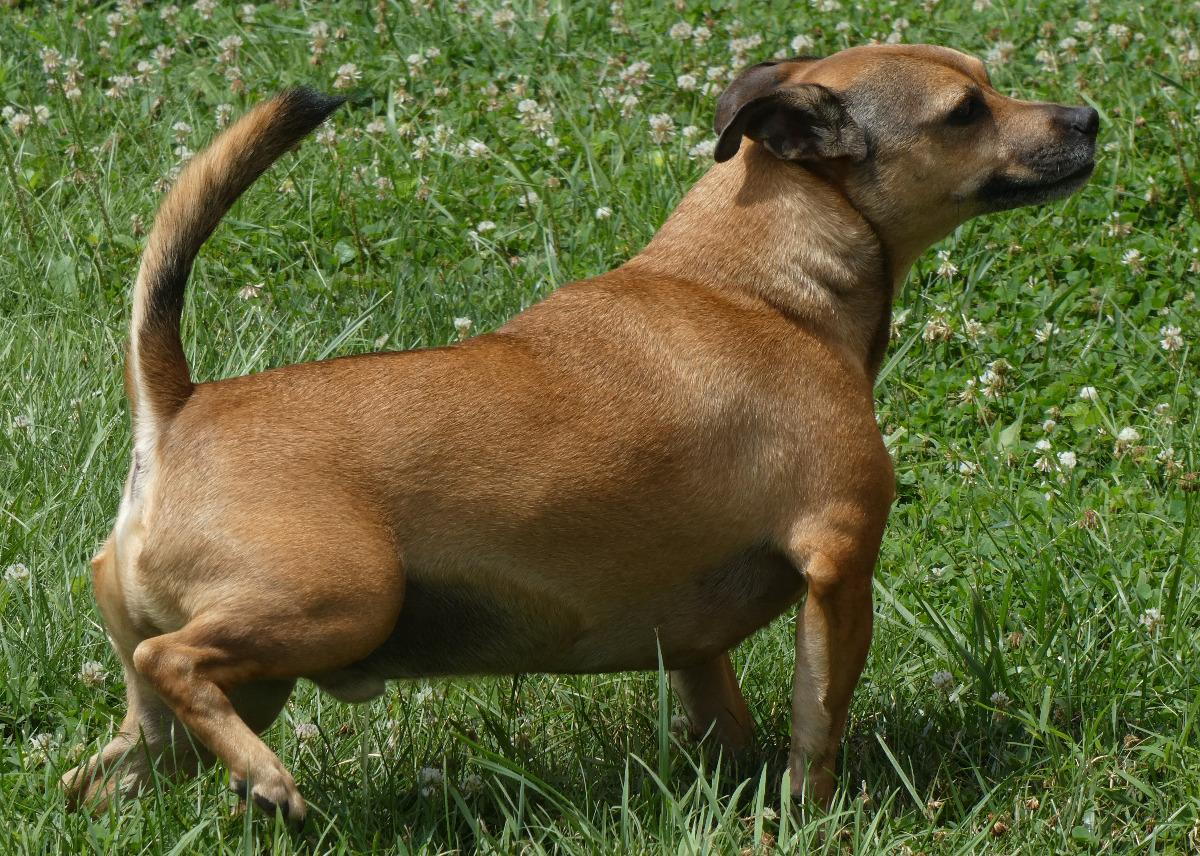
There are several reasons pets may develop urinary incontinence (urine leaking) in both male and female dogs. Three major causes include congenital anatomic defects, neurologic injury, and—especially in older female dogs—urethral sphincter mechanism incontinence (USMI). Occasionally, bladder infections, bladder stones, or a mass in the bladder can also cause pets to leak urine. Cats can also experience urinary incontinence, but it is much less common than in dogs and is most often secondary to prolonged urethral obstruction (a.k.a. “blocked cat”).
Symptoms of urinary incontinence can include:
- Dribbling urine when walking or standing
- Excessive licking of the vulva or penis
- Leaking urine while lying down or sleeping (often found as puddles where a pet was resting)
Incontinence is involuntary—the pet is not aware that he or she is urinating—and differs from other causes of urinary accidents such as incomplete house training, urine marking, or excitement urination, in which the pet still has voluntary bladder control.
Common causes of urinary incontinence include:
1. Congenital Anatomic Defects
Some pets are born with abnormalities that can lead to urine leaking. The two most common include:
- Ectopic ureters: With this condition, the tube (ureter) that exits the kidney and connects to the bladder develops in an abnormal location and enters the bladder past the sphincter. Instead of urine filling the bladder, it collects in the bladder neck or urethra and constantly leaks out.
- Spinal defects: Some breeds of dogs and cats, such as English Bulldogs or Manx cats with little to no tail, may have defects such as spina bifida. This can lead to hind limb weakness and abnormal gait, as well as urinary and fecal incontinence, due to poor nerve conduction to the colon and bladder.
Dogs or cats with ectopic ureters can have surgery to correct the defect with reasonable success. Spina bifida and other congenital neurologic defects are typically managed with medications, diapers, and careful hygiene. These conditions are rarely cured, and there is no effective surgical correction at this time.
2. Neurologic Causes
In other cases, the problem originates in the nervous system. Causes of bladder leaking include intervertebral disk disease (IVDD), trauma to the spinal cord, tumors on the spinal cord, degenerative myelopathy, or paralysis of the bladder sphincter muscles and nerves. This can also occur secondary to bladder or urethral obstruction, such as in a blocked cat.
In these cases, damage to the nerves or spinal cord disrupts signals sent between the brain and bladder, leading to loss of bladder control. While some patients may improve—for example, when pressure on the spinal cord is relieved with medication or surgery for IVDD, or when bladder function improves after relieving an obstruction—some cats and dogs may have chronic urinary incontinence due to neurologic disease.
3. Urethral Sphincter Mechanism Incompetence (USMI)
One of the most common causes—especially in older, large breed spayed female dogs—is urethral sphincter mechanism incompetence (USMI), although it can occur less commonly in males. Loss of estrogen in a spayed female appears to affect receptors in the bladder sphincter, weakening the signals needed to hold urine. As a result, when the dog is relaxed (lying down or sleeping), the bladder may empty.
Most of these dogs can be treated with medications—either an estrogen supplement or a drug that tightens the bladder sphincter. Occasionally, surgery or collagen injections to tighten the urethra may be considered if medication does not adequately control symptoms. Spaying large breed dogs at 12–18 months may reduce the risk of USMI developing later in life.
Urinary incontinence can be a frustrating problem, but remember—the pet is unable to control the leakage in cases of true urinary incontinence, so please do not punish pets for accidents related to these conditions. Many cases can be successfully managed—and some even resolved—but others may be lifelong. It is important to keep affected pets clean and dry to prevent secondary urinary or skin infections and to speak with your veterinarian about appropriate diagnostic and treatment options.
https://veterinarypartner.vin.com/default.aspx?pid=19239&catId=254103&id=4952092
https://www.merck-animal-health-usa.com/pet-owners/pet-health/health-issues/incontinence-in-pets/
Recent Posts
About Us
Patton Veterinary Hospital has been part of the Red Lion community for more than a century. Families have trusted us through new puppies and kittens, senior pet care, unexpected illnesses, and all the everyday moments in between.
That history matters to us, but so does how we show up today. We hold ourselves to high medical standards, invest in thoughtful patient care, and work hard to make each visit feel personal.