

Osteoarthritis in Cats and Dogs: More Common Than You Think
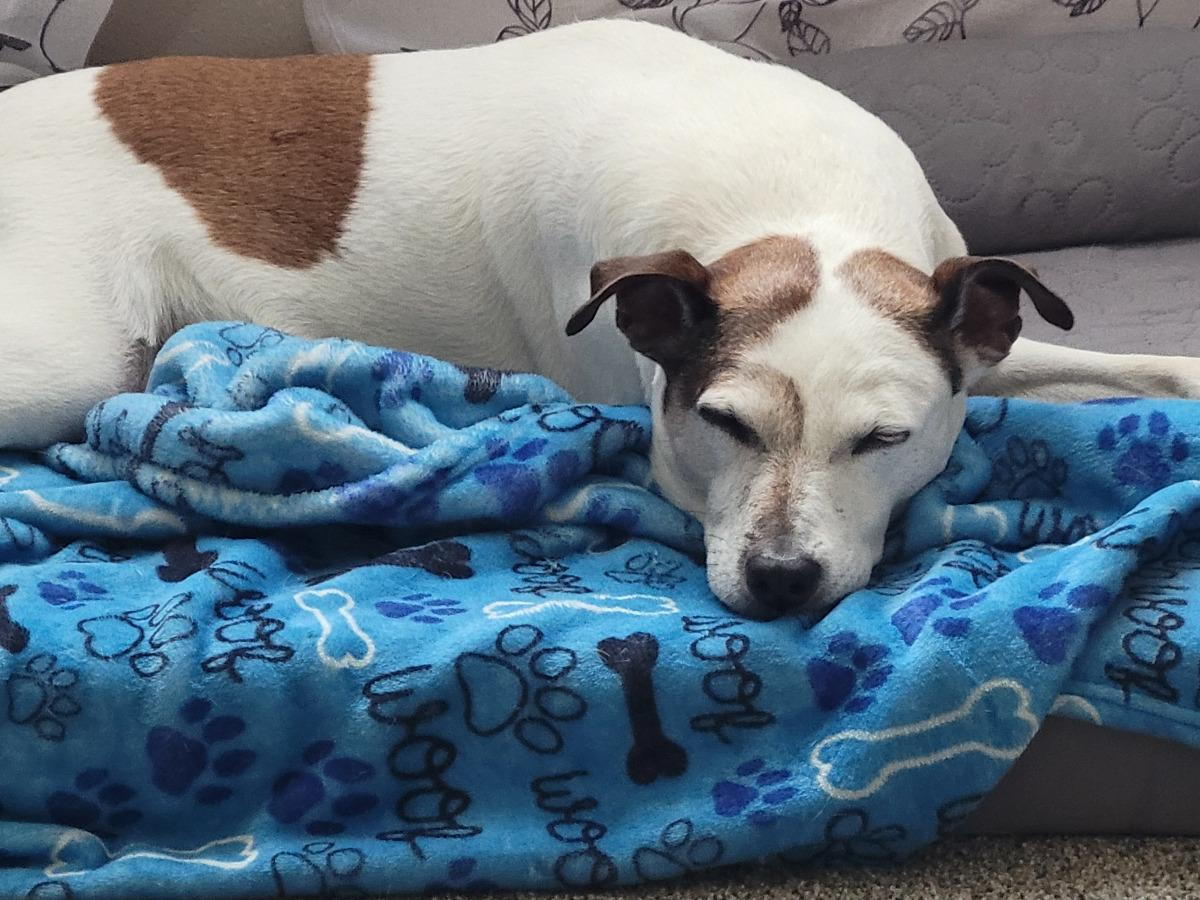
When people hear the word “arthritis,” they often picture an older dog struggling to get up after a nap. But osteoarthritis (OA) is extremely common in both dogs and cats—and many pets suffer silently for months or even years before it is recognized.
Osteoarthritis is a progressive condition in which the cartilage within joints breaks down over time, leading to inflammation, stiffness, and pain. While it cannot be cured, early recognition and multi-modal treatment can dramatically improve your pet’s comfort and quality of life.
Common Signs of Arthritis
In dogs, symptoms are often easier to spot. You may notice:
- Difficulty getting up
- Slowing down on walks
- Hesitation to jump into the car or onto furniture
- Limping or stiffness, especially after rest
- Decreased interest in play or exercise
Cats, however, are masters at hiding pain. Arthritic cats may:
- Jump less frequently or avoid stairs
- Sleep more than usual
- Groom less, leading to a scruffy coat
- Have accidents outside the litterbox because climbing into the box is uncomfortable
- Become less social or more irritable
Many owners assume these changes are simply “old age,” but pain should never be considered a normal part of aging.
A Multi-Modal Approach to Treatment
The best arthritis management plans combine several therapies working together. This is called a multi-modal approach and is often much more effective than relying on a single medication alone.
Weight Management
One of the most important—and often overlooked—treatments is maintaining a healthy weight. Extra pounds place additional stress on painful joints. Even modest weight loss can significantly improve mobility and comfort.
Joint Supplements
Nutraceuticals and joint supplements may help support cartilage health and reduce inflammation. Common ingredients include:
- Glucosamine and chondroitin
- Omega-3 fatty acids (fish oil)
- Green-lipped mussel
- Undenatured type II collagen
While supplements are not instant pain relievers, they can be helpful as part of a long-term management plan.
Prescription Medications
Many pets benefit from prescription pain control medications. These may include:
- Non-steroidal anti-inflammatory drugs (NSAIDs)
- Anti-nerve pain medications
- Monthly injectable arthritis medications for dogs and cats
Newer veterinary arthritis treatments have provided excellent pain relief for many pets and can often improve mobility dramatically.
Because every pet is different, medications should always be tailored to the individual patient and monitored carefully with your veterinarian.
Exercise and Physical Therapy
Gentle, regular exercise helps maintain muscle strength and joint flexibility. Low-impact activities such as leash walks or controlled play are often beneficial.
Some pets also benefit from:
- Physical rehabilitation therapy
- Laser therapy
- Acupuncture
- Therapeutic exercises
- Underwater treadmill therapy
Home Modifications
Simple changes at home can make a big difference:
- Provide soft orthopedic bedding
- Use ramps or pet stairs
- Place rugs on slippery floors
- Raise food and water bowls for large dogs
- Use lower-entry litterboxes for cats
Early Treatment Matters
Arthritis is a progressive disease, meaning it tends to worsen over time if left untreated. Early intervention can help slow progression and keep pets comfortable longer.
If you notice changes in your pet’s mobility, activity level, or behavior, don’t assume it is “just getting older.” Your pet may be experiencing chronic pain that can often be improved with appropriate treatment.
At Patton Veterinary Hospital, we work with pet owners to develop individualized arthritis management plans designed to improve comfort, mobility, and overall quality of life.
References / Sources
- American Animal Hospital Association (AAHA). Osteoarthritis Guidelines for Dogs and Cats.
- American Veterinary Medical Association (AVMA). Arthritis in Pets.
- International Society of Feline Medicine (ISFM). Feline Degenerative Joint Disease and Arthritis.
- Cornell Feline Health Center. Arthritis in Cats.
This content was drafted with the assistance of an AI language model and reviewed for accuracy by Patton Veterinary Hospital.Top of Form
Recent Posts
About Us
Patton Veterinary Hospital has been part of the Red Lion community for more than a century. Families have trusted us through new puppies and kittens, senior pet care, unexpected illnesses, and all the everyday moments in between.
That history matters to us, but so does how we show up today. We hold ourselves to high medical standards, invest in thoughtful patient care, and work hard to make each visit feel personal.