
Rabbit Fun Facts
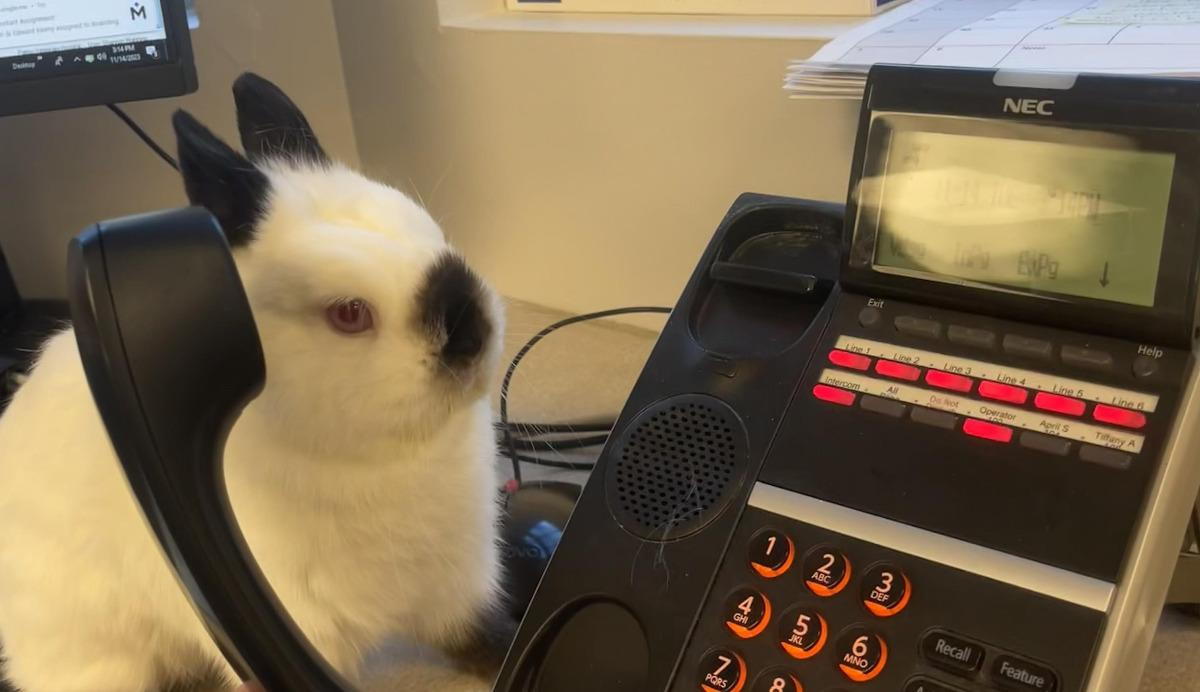
Many of us celebrated Easter this past weekend and no animal is more synonymous with Easter than the rabbit. While wild bunnies are out and about all year long in Pennsylvania, they are most often associated with spring. Here are some fun facts about rabbits!
- Rabbits are not rodents but rather part of the lagomorph family which also includes hares and pikas. They have 2 sets of upper incisors instead of one like rodents. Male rabbits are known as bucks, females are does and their babies are called kits.
- With eyes set wide on each side of their heads, rabbits have a nearly 360 degree view around them to help avod predators.
- A rabbit’s teeth grow constantly and can grow up to five inches a year! Wild rabbits eat enough roughage to constantly grind their teeth down but pet rabbits sometimes have dental problems due to lack of hay or other rough foods to wear them down. Make sure your pet bunny has plenty of roughage to chew on. Rabbits need good quality grass and/or hay as the mainstay of their diets. Fruits and vegetables may be fed in moderation and rabbits can be fed pellets as a lesser part of their diet. Avoid iceberg lettuce which can cause diarrhea. Romaine lettuce, kale, and other dark leafy greens are acceptable in small quantities. Cauliflower, onions and raisins are not good for bunnies but celery, broccoli, bell peppers are okay.
- Those long rabbit ears have a dual purpose: hearing, of course, is the number one function. Rabbits have excellent hearing and can hear sounds up to two miles away! But, the large surface area, thin skin and blood vessels of a rabbit’s ears also allow them to cool down on a hot day or conserve heat by constricting those vessels when it’s cold. Pet rabbits can be prone to ear infections. If your rabbit has a head tilt, lots of debris or wax in the ear canal or is shaking her head, seek veterinary attention.
- Wild baby rabbits often nurse only once a day. If you find a nest of kits with no mother in sight, it does not mean the babies have been abandoned. Monitor the nest before assuming mama bunny has disappeared. If you are concerned that the babies are not being cared for, you can place some light sticks, blades of grass or string over the nest then check it the next day to see if it has been disturbed. If you are certain the mother rabbit is not returning to the nest or you find an injured rabbit, orphaned kits or injured bunnies can be taken to a licensed wildlife rehabilitation center such as Raven Ridge. Their website is https://www.ravenridgewildlifecenter.org/ Do not attempt to care for orphaned or injured rabbits yourself. You can also check the PA Association of Wildlife Rehabilitators website: https://pawr.com/ for a licensed rehab facility near you.
Rabbits can make fun and loving pets, but please be sure you are fully committed to feeding, caring for and providing veterinary care for a rabbit for 8-12 years before adopting one and never keep wild rabbits as pets.
https://www.mentalfloss.com/article/557234/facts-about-rabbits
Recent Posts
About Us
Patton Veterinary Hospital has been part of the Red Lion community for more than a century. Families have trusted us through new puppies and kittens, senior pet care, unexpected illnesses, and all the everyday moments in between.
That history matters to us, but so does how we show up today. We hold ourselves to high medical standards, invest in thoughtful patient care, and work hard to make each visit feel personal.