

April is Lyme Disease Prevention Month
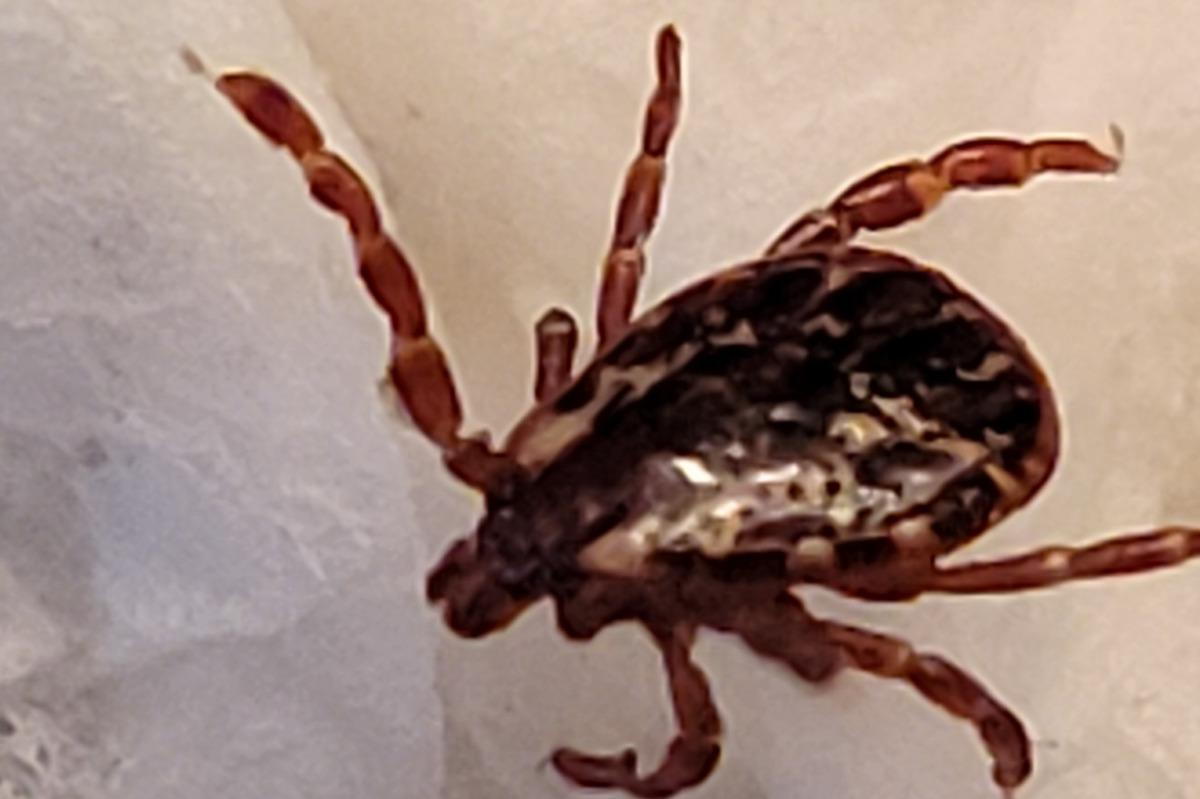
The arrival of spring and warmer weather means ticks are more active. About one in fifteen dogs in York County tested positive for Lyme disease in 2025. Protection is key in preventing Lyme infection in dogs.
Lyme disease is caused by a spirochete bacteria known as Borrelia burgdorferi. The bacteria are picked up by the tick when it bites an infected animal, such as a mouse, to feed on its blood. The bacteria are then passed to dogs or other animals when the tick feeds again. Cats rarely get Lyme disease due to grooming habits which remove ticks before they can cause infection and a natural immunity to the bacteria.
Borrelia bacteria are spread by tiny Ixodes ticks, also known as deer ticks or blacklegged ticks. About the size of a sesame seed when engorged, they can be easily missed on dogs and cats with thick fur. A simple blood test can tell whether a dog has been infected with Lyme or other tick-borne illnesses. However; it may take four to eight weeks from the time a dog is bitten by an infected tick to the time he tests positive. A tick needs to be attached for 24-72 hours to transmit Lyme disease, and it cannot be spread directly from one dog to another or from a dog to a person. It can only be spread through a tick bite.
Dogs who test positive for Lyme disease do not always display symptoms. If they do become ill, they will develop a fever, sore, swollen joints and lameness. A small number of dogs develop severe kidney disease. Pets who are not showing symptoms may not require treatment, but it is recommended to check a urine sample for protein which may indicate inflammation. Dogs with protein in their urine or dogs who are sick are treated with antibiotics and with pain medications or anti-inflammatories.
The incidence of Lyme disease in dogs can be drastically reduced by vaccination and use of an effective flea and tick preventative such as Vectra 3D topical, Bravecto or Simparica chews, or the new Bravecto Quantum, an annual injection which protects your dog against fleas and ticks for a full year. It’s also important to check your pet regularly for ticks and to immediately remove any attached ticks if found. Vaccinated dogs are less likely to develop symptoms, even if infected, compared to unvaccinated dogs. Vaccines are not 100% effective, but combining a tick preventative with vaccination provides better protection than one method alone. In addition, ticks can carry and transmit other diseases, so use of an effective tick preventative all year is important in limiting the spread of Lyme and other diseases in dogs.
If you do find a tick on your pet, remove it by grasping it firmly at the head with tweezers or a tissue or gauze pad and firmly pull it back and away from the skin. Try not to crush the tick or remove it with your bare fingers. If a small piece of the head remains embedded, do not dig it out. It will not cause any harm and will be pushed out of the skin as the area heals. On occasion, a tick bite can become infected. If the area remains red or appears swollen, have it checked by your vet.
Combining vaccination with tick prevention is up to 85% effective at preventing Lyme infection in dogs. Patton Veterinary Hospital offers several types of flea and tick preventatives for dogs and cats and a Lyme vaccine for dogs (no vaccine exists for cats). Keep your pets safe from Lyme this season!
https://www.avma.org/resources/pet-owners/petcare/lyme-disease-pet-owners-guide
Recent Posts
About Us
Patton Veterinary Hospital has been part of the Red Lion community for more than a century. Families have trusted us through new puppies and kittens, senior pet care, unexpected illnesses, and all the everyday moments in between.
That history matters to us, but so does how we show up today. We hold ourselves to high medical standards, invest in thoughtful patient care, and work hard to make each visit feel personal.