

Why Does My Pet Scoot Her Booty? Understanding Anal Sac Problems in Pe
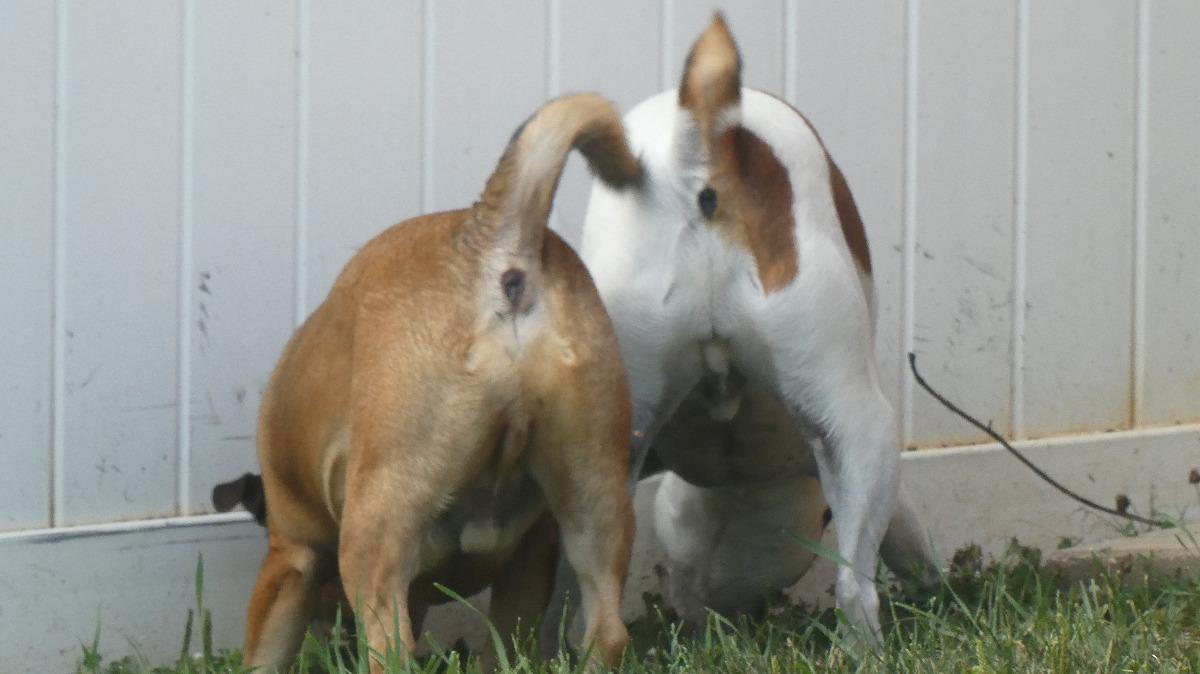
Ever seen your dog or cat drag their bottom across the carpet, often at the most inopportune time, like when you have guests? While this may seem equal parts amusing and disgusting, scooting is often your pet’s way of telling you that something isn’t quite right.
One of the most common causes of scooting is a problem with the anal sacs.
Anal sacs are two small sacs or scent glands located just inside the anus that contain a strong-smelling fluid. Normally, this fluid is released in small amounts during bowel movements or may be released if pets are startled. If the sacs are full, the fluid may also leak when pets are very relaxed. Cats have anal sacs too, although they tend to have problems with them less frequently than dogs.
Sometimes the sacs do not empty properly, causing that fluid to build up within. This may lead to impaction, inflammation, infection, or even the formation of an abscess. In rare cases, tumors involving the anal sacs can form and should be evaluated by a veterinarian.
Scooting is the most common symptoms of anal sac troubles, but other signs may include:
- Excessive licking or chewing around the rear end
- A foul, fishy odor
- Difficulty sitting comfortably
- Swelling or redness near the anus
- Pain during bowel movements
- Blood or discharge near the rectum
If you notice swelling, bleeding, a draining wound, or your pet seems significantly uncomfortable, your pet should visit his or her veterinarian as he may have an anal sac abscess.
It’s important to remember that other conditions may also cause scooting. Allergies, fleas, skin infections, growths around the anus, and, less commonly, tapeworms and other intestinal parasites can cause similar symptoms. Because many of these conditions can look alike, a full physical and rectal exam by your pet’s veterinarian are often the best way to determine the cause.
You may have heard that anal sacs need to be manually emptied on a regular basis. However, this is not recommended for every pet. Improper expression can cause discomfort, inflammation, and trauma to the surrounding tissues. Some pets never require manual expression, while others benefit from having the procedure performed periodically by trained veterinary professionals or a trained, knowledgeable groomer.
Unfortunately, there is no guaranteed way to prevent anal sac disease. Maintaining a healthy weight, feeding a balanced diet, and addressing underlying issues such as allergies or chronic digestive problems may help reduce the risk in some pets. For those with recurrent problems, your veterinarian may recommend dietary changes, fiber supplementation, treatment of underlying conditions, or scheduled anal sac expressions.
Extremely frequent need for expression of anal sacs or the presence of an anal sac tumor may mean that your pet needs to have one or both anal sacs surgically removed. However, most anal sac problems are less severe and can be treated successfully, especially when addressed early.
While it can look a little silly to see your dog or cat scooting across the floor, these symptoms should never be ignored. If your pet is scooting, licking excessively at the rear end, or seems uncomfortable, the team at Patton Veterinary Hospital is here to help determine the cause and provide appropriate treatment to get your pet feeling better again.
This content was drafted with the assistance of an AI language model and reviewed for accuracy by Patton Veterinary Hospital.
Recent Posts
About Us
Patton Veterinary Hospital has been part of the Red Lion community for more than a century. Families have trusted us through new puppies and kittens, senior pet care, unexpected illnesses, and all the everyday moments in between.
That history matters to us, but so does how we show up today. We hold ourselves to high medical standards, invest in thoughtful patient care, and work hard to make each visit feel personal.