

Why is Chocolate Toxic to Pets?
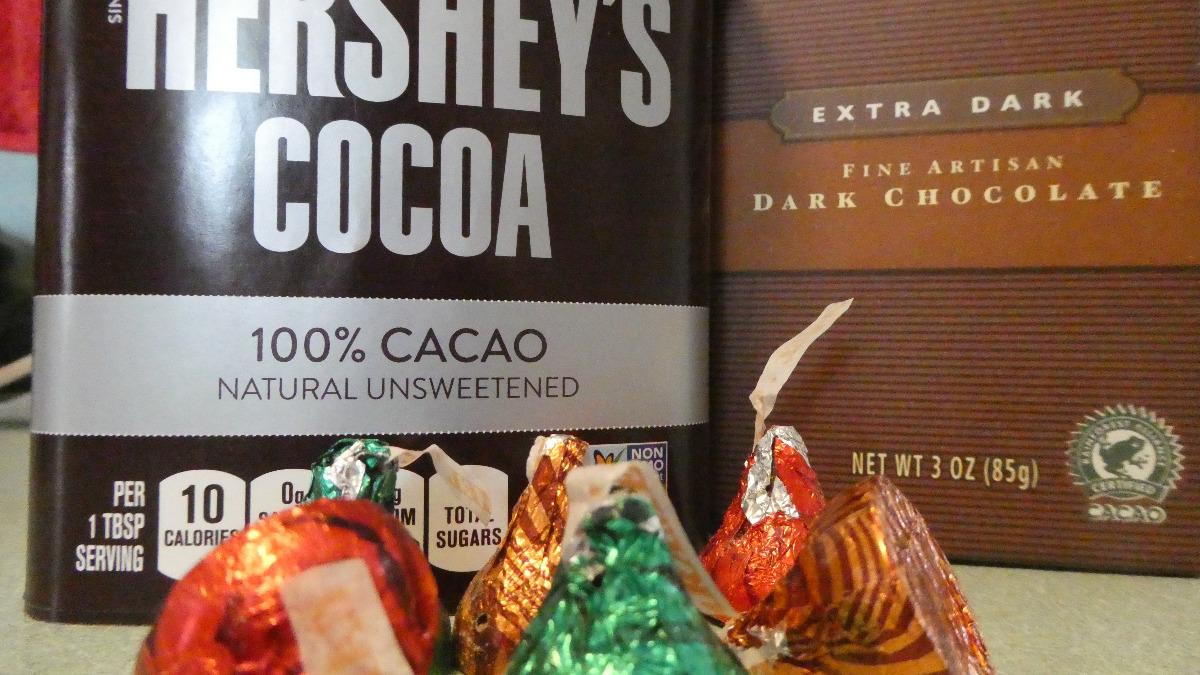
July 7th is World Chocolate Day! Almost everyone knows that our pets shouldn’t eat chocolate. But do you know why the sweet stuff is so toxic to our furry friends? The answer is quite a mouthful—methylxanthines. Methylxanthines are chemical compounds like theobromine and caffeine found in chocolate and, to a lesser degree, in coffee and tea. Our pets’ bodies do not rapidly break down these compounds like humans, so they remain in their bodies for a long time. These substances can cause mild, unpleasant symptoms like vomiting and diarrhea. But they can also have more serious effects like increased heart rate, seizures and even coma and death depending on the amount of methylxanthine ingested.
Pure cocoa powder like that used for baking contains the highest levels of theobromine and caffeine at 800mg/oz. By comparison, milk chocolate has only 64mg/oz.
As little as one ounce of chocolate per pound of body weight can be lethal to a dog or cat!
To put that into perspective, ingestion of an entire 10.5 oz. bag of Hershey’s Kisses could be fatal to a small 10 lb. dog or cat. Baker’s chocolate (pure cocoa cakes or powder) and dark chocolate pose the highest risk.
Severe toxic effects can be seen within 6-12 hours after ingestion. Vomiting and diarrhea may occur sooner. Chocolate toxicity is treated by “decontamination.” Vomiting may be induced if ingestion occurs within two hours of a veterinary visit. Activated charcoal may also be administered to prevent further absorption of toxic compounds. Pets with more severe symptoms are treated with supportive care such as IV fluids and medications to control abnormal heart rhythms or seizures if present.
White chocolate and the chocolate substitute, carob, are safe for pets since they do not contain any cocoa or methylxanthines and are sometimes even used in pet treats. However, white chocolate is high in fat and sugar and should be fed sparingly. Of course, candy wrappers may also pose a threat as a secondary issue as they could get wadded up and stuck in the intestine causing a blockage.
Even though chocolate is a tasty treat for humans, pets should never be given chocolate. If a pet accidentally ingests a very small amount, he or she is likely to be fine. But, remember that even small amounts of cocoa powder and other dark chocolates contain large amounts of methylxanthines. Small dogs and cats may not need to eat much chocolate to become seriously ill. Contact pet poison control if your pet ingested chocolate and seek veterinary attention as soon as possible.
Recent Posts
About Us
Patton Veterinary Hospital has been part of the Red Lion community for more than a century. Families have trusted us through new puppies and kittens, senior pet care, unexpected illnesses, and all the everyday moments in between.
That history matters to us, but so does how we show up today. We hold ourselves to high medical standards, invest in thoughtful patient care, and work hard to make each visit feel personal.