Keeping Rats and Mice as Pets
- posted: Nov. 10, 2024
Rats and Mice as Pets
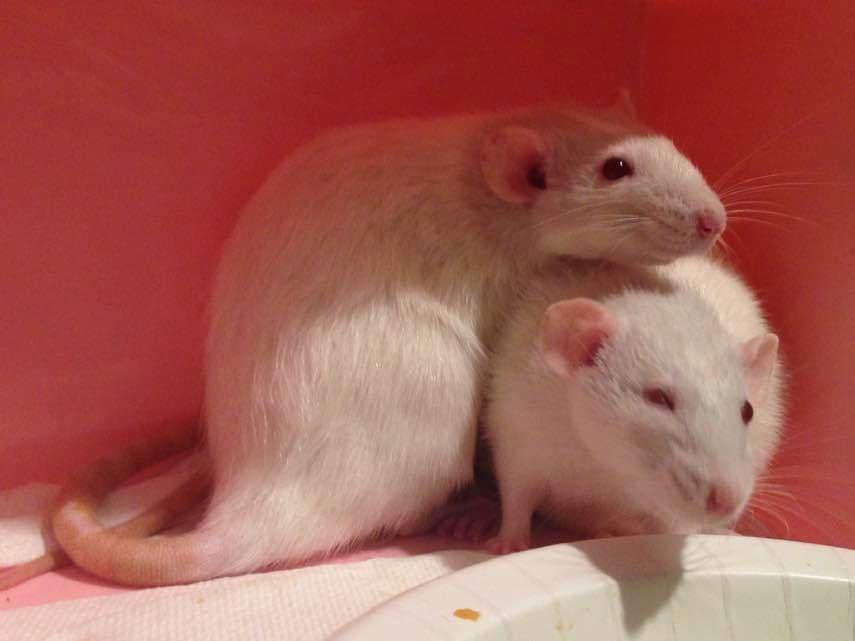
While wild rodents are not always welcome in our homes, rats and mice can make charming pets and are relatively easy to care for. But they can develop illnesses and may need veterinary care. Let’s learn more about these rascally pet rodents and how to best care for them.
Both pet rats and mice need proper housing. Rats are good escape artists so solidly constructed cages are a must and the bottom or floor of the cage or enclosure should be solid, not wire, though wire sides are preferred over glass aquariums to provide ventilation. Both love to burrow and nest so appropriate substrate such as shredded paper, fleece, or fabric are appropriate. Cedar or pine shavings should not be used as the oils can be toxic. Frequent cleaning of cages and providing clean bedding at least weekly is required for good hygiene.
Rodents have constantly growing teeth and need items to chew to wear them down. They are also relatively intelligent critters and can become bored. Environmental enrichment with a variety of toys that are rotated or replaced frequently as well as toys to climb on, tunnels, hammocks, and exercise wheels keep rats and mice active and engaged. Rats and mice also love hideaways which can be made of wood, plastic or cardboard.
Rats and mice prefer warmer environments and should ideally be housed at normal room temperatures of 65-80F. Both rats and mice should eat a diet of commercially available pelleted foods supplemented with fresh fruits and vegetables. Seeds and nuts should be limited, especially for rats, as they can lead to obesity. Always make sure pet rodents have access to clean water.
The average lifespan of a pet mouse is one to three years. A pet rat typically lives two to three years, though some live up to five years. While rats and mice are social creatures, rats and mice should not live in the same enclosures. If keeping multiple rats together or mice together, be sure the enclosure is large enough to accommodate multiple pets and it is recommended to house female pairs or possibly sibling males who have never been apart as unknown males are more likely to fight. Also, do not house males and females together if you do not want litters of baby rats or mice. Rats may be spayed or neutered to prevent breeding and other health issues. Mice can also be spayed or neutered but it is not common practice and is not usually recommended due to anesthesia risk due to their small size.
Rats and mice can become ill. Signs of illness may include weight loss, poor appetite, changes in stool, and poor haircoat. Common illnesses in both rats and mice include, development of tumors, obesity, respiratory illnesses, dental problems, skin diseases/skin mites, and diarrhea. Veterinary care should be sought if your pet rat or mouse exhibits signs of illness.
Both rats and mice can be fun, affectionate pets; however, just like any other pet, they do require proper housing, nutrition and veterinary care. Make sure you have the space, budget and time commitment before purchasing a rat or mouse as a pet.
This blog brought to you by the Patton Veterinary Hospital serving Red Lion, York and the surrounding communities.
https://www.petmd.com/exotic/care/caring-for-pet-rat
https://www.thesprucepets.com/choosing-and-caring-for-pet-mice-1236741
Location
Patton Veterinary Hospital
425 E Broadway
Red Lion, PA 17356
