The Poop on...Poop!
- posted: Feb. 09, 2025
The Poop on…Poop!
As the saying goes, “Everybody poops,” and our pets’ poop can tell us a lot about their health. So, what’s normal and when should you seek veterinary care? Let’s learn the scoop on poop!
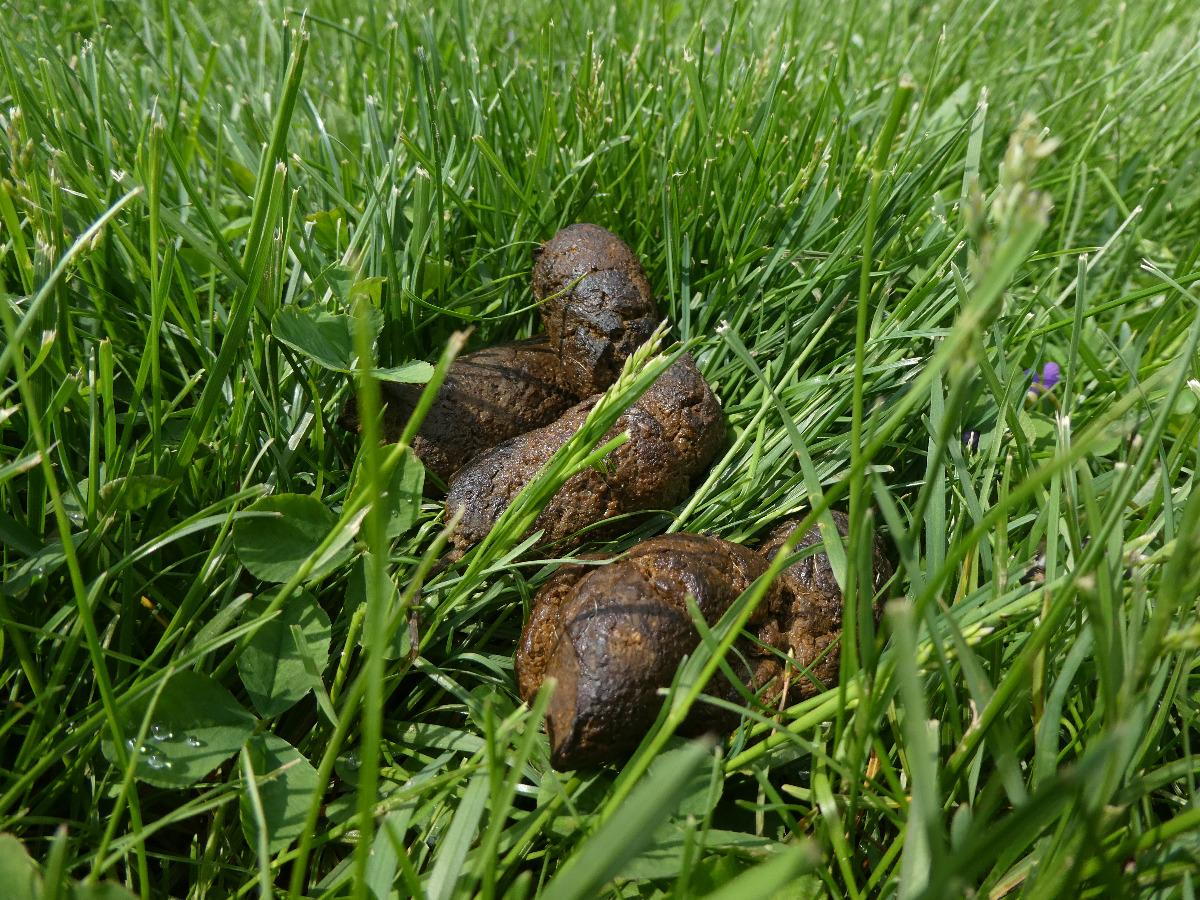
Healthy stools for both dogs and cats should generally be brown, firm but not hard and dry formed tubular droppings. Dogs and cats should pass stool relatively easily with no straining. Puppies and kittens may poop more frequently than adults—puppies may poop up to five times a day, kittens up to three. Most adult cats go one to two times a day and dogs one to three times. That being said, not everyone reads the rules, so, if your dog routinely goes four times a day but the poop always looks normal, it’s not cause for concern.
Some dogs may have slightly softer stools when on a walk. Walking stimulates the colon and may cause pets to have a bowel movement but stool may be evacuated while it’s still a little soft in this case. Worms, large amounts of foreign material such as sticks, rocks, plastic, fabric, etc. in the stool or large amounts of hair may warrant a call or trip to the vet for evaluation and treatment. The occasional streak of bright red blood on the surface of a formed stool or a casing of mucus coating the stool once in a while is not of concern, but persistent blood or mucus should be checked out.
So, when should we be concerned about our pets’ poop? If your pet starts going more or less frequently than his typical schedule or has accidents when he was previously house or litter trained, this could be cause for concern. One episode of soft stool is not cause for alarm, but multiple bouts of very soft, watery stool or poop with blood or mucus in it is not normal. Very small, hard, dry stools are also of concern. Persistent grey or yellow stools may indicate a problem with the liver or gall bladder.
Diarrhea can be caused by a variety of issues such as bacterial or viral infections, eating foods or non-food items that cause intestinal irritation or other illnesses. Constipation may be caused by not getting enough water and/or fiber in the diet, lack of exercise or by changes in intestinal motility.
If your pet is straining to pass stool, is unable to pass stool, is having excessive or uncontrollable watery diarrhea for more than 24 hours, has a significant amount of bright red blood present or his or her stools are dark black and sticky like tar, or if your pet is lethargic, refusing to eat, vomiting, etc. seek veterinary care. Some cases of constipation or diarrhea can be difficult to distinguish from one another and some pets need medical intervention or may have a more serious illness causing changes to the stool.
If your pet is active, alert, eating but has a mild case of diarrhea, you may want to try a bland diet of cooked rice and boiled chicken or beef for 24-48 hours. Commercially available probiotics and fiber supplements may also ease minor cases of diarrhea. Consult your vet before administering any anti-diarrheal medications as these may not be safe for every pet. If your pet seems constipated-straining with little to no stool being produced or hard, dry stool, adding water or canned food to the diet and/or adding a mild stool softener may help alleviate constipation. However, severe cases of constipation, particularly in older cats may require other drugs, diet changes or even surgery to manage. Consult your veterinarian if your cat seems constipated. Warning!: Occasionally, male cats who have a urinary blockage may be mistaken for being constipated, so, pay attention to urine production if your male kitty is straining in the litter pan. He may not be actually be constipated, he may not be able to urinate, and this is a life-threatening situation.
Consistency is key—if your pet’s stools are formed, have the consistency of soft clay, are brown and your pet is not going more than 2-3 times a day, congratulations! That’s normal! Occasional abnormal stool is not of concern; however, persistent blood, mucus, watery or hard stool warrants a trip to your vet especially if present for more than a few days.
This blog brought to you by the Patton Veterinary Hospital serving Red Lion, York and the surrounding communities.
https://www.petmd.com/dog/care/how-should-my-dogs-poop-look
https://www.purina.com/articles/dog/health/digestion/what-does-healthy-dog-poop-look-like
Location
Patton Veterinary Hospital
425 E Broadway
Red Lion, PA 17356
