Canine and Feline Cognitive Dysfunction
- posted: Feb. 28, 2025
Canine and Feline Cognitive Dysfunction
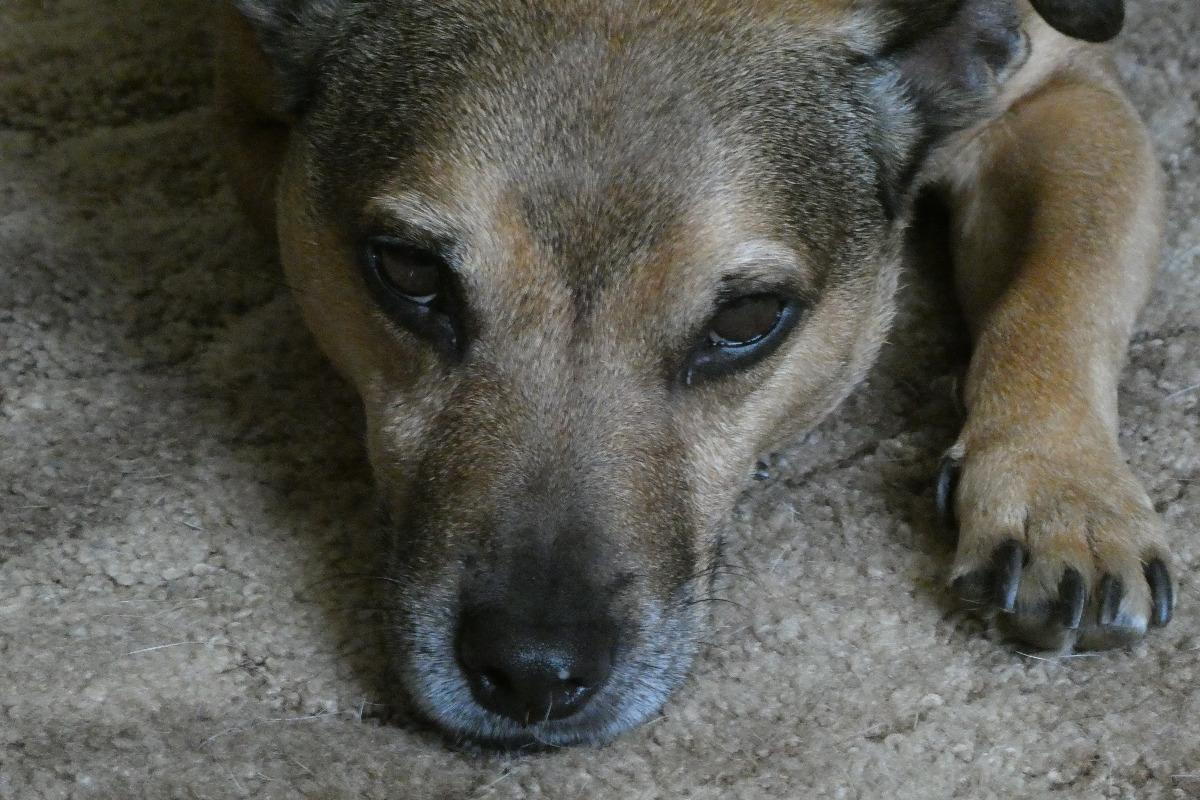
Senior pets often experience behavior changes as they age which are similar to those changes experienced by people affected with Alzheimer’s Disease or other forms of dementia. Termed Cognitive Dysfunction (CD) in pets, this condition can often have significant effects on quality of life and on the bond we share with our pets.
What is cognitive dysfunction? CD is defined as gradual degeneration of the brain, most commonly in dogs and cats over the age of nine. Proteins called beta-amyloid plaques can form in brain tissue causing toxic changes, decreased blood flow and damage to neurons which are specialized cells that carry information in the brain and body. Decreased function of neurons leads to changes in how information is processed and causes a whole host of abnormal behaviors.
Dogs and cats with CD often experience confusion and may pace or wander, become “stuck” behind furniture or in corners, forget why they have gone outside, seem less able to recognize familiar people or pets, and may be less likely to interact with family members. Pets with CD may also have changes to their sleep-wake cycles, may wander or vocalize at night and may also have loss of house-training behaviors and may start to have accidents in the house or outside the litter box.
Medical conditions such as arthritis, diabetes, kidney disease, etc. may also cause behavior changes, so it’s important to have routine physical exams and blood tests done on senior pets and to discuss any behavior changes you are seeing in your senior pet with your veterinarian.
Can pets be treated to alleviate some of the symptoms of CD? There are some options for treating cats and dogs with cognitive dysfunction; however, these treatments work best if started earlier in the course of disease. The more advanced the symptoms, the less likely we are to be able to reduce the behaviors associated with CD.
Nutrition/Diet—this is a new and important tool in the treatment of cognitive dysfunction in pets. Diets containing ingredients that reduce oxidative and free radical damage can benefit pets with CD and high-quality diets providing good nutrition are beneficial at any age. Diets specific to treating cognitive dysfunction include ingredients such as antioxidants, vitamins E and C, selenium, L-carnitine, omega-3 fatty acids, medium chain triglycerides and other components protect the brain, reduce inflammation and enhance cell functions. Hill’s Science diet makes a diet called B/D (available for both dogs and cats) clinically proven to reduce cognitive changes in pets. Purina Pro Plan Bright Mind and Purina Pro Plan Neurocare diets have a similar claim.
Medication—there is one approved drug for treating CD in dogs (and “off label” to treat cats) called selegiline. Selegiline is an MAOI (monoamine oxidase inhibitor) which blocks reabsorption of key neurotransmitters in the brain like dopamine. More neurotransmitters equals better brain function and reduced symptoms.
Supplements—a variety of supplements may also reduce signs of CD—the amino acid SAM-e, Vitamins B and E and herbs such as gingko biloba may provide some benefit. Commercially available products like Senilife and Aktivait are available with proprietary blends of anti-oxidants and other ingredients to reduce CD signs.
Keeping the brain engaged—keeping our pets’ minds engaged as they age is important. Rotating toys, use of puzzle toys and games, and taking walks or setting aside time to interact and play with our senior cats and dogs (within their abilities) can keep their brains active and may improve symptoms of CD.
As you can see, cognitive dysfunction can have devastating effects on the quality of life of senior pets and their families. But nutrition, supplements, medications and exercises to keep pets engaged and healthy can make a difference and reduce the symptoms of disorientation, abnormal interactions, sleep-wake cycle changes, anxiety and activity changes. Consult with your veterinarian if your pet is experiencing any of these symptoms for the best care plan to keep your senior pet healthy.
This blog brought to you by the Patton Veterinary Hospital serving Red Lion, York and the surrounding communities.
https://todaysveterinarypractice.com/nutrition/nutritional-intervention-for-canine-cognitive-dysfunction/
https://veterinarypartner.vin.com/default.aspx?pid=19239&id=9773661
https://www.hillspet.com/dog-care/healthcare/managing-dog-dementia-canine-cognitive-disorder
Location
Patton Veterinary Hospital
425 E Broadway
Red Lion, PA 17356
