Fooled You! Three Household Items That Aren't as Toxic as They Seem
- posted: Mar. 28, 2025
Fooled you! Three Household Items That Aren’t as Toxic as They Seem
Let’s face it, dogs and cats have a habit of sticking their noses--and tongues--where they shouldn’t. They tend to explore and pick up things with their mouths which can lead to problems if they try to eat the wrong thing. Puppy and kitten-proofing your home to prevent access to toxic and harmful objects is a must. Even adult dogs and cats may try to eat something they shouldn’t, so use caution with pets of any age keeping medications in a safe, pet-proof area, storing cleaning solutions and chemicals out of reach of pets and making sure pets don’t have access to garbage or other potential foreign bodies.
With all that to worry about, let’s look at a few items that might seem like they’d be harmful to pets, but actually pose a pretty low risk.
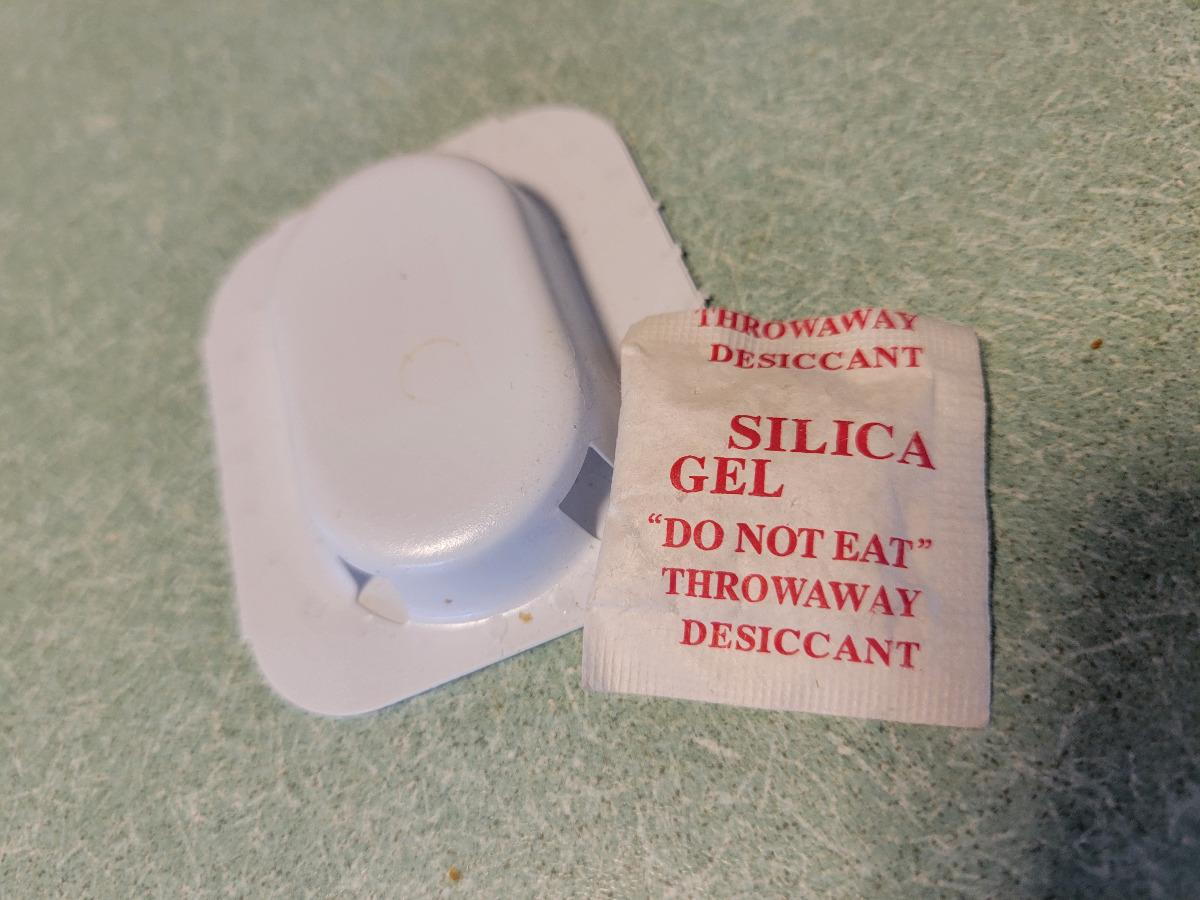
- Ant and roach traps—these plastic traps usually contain a sugar or other sweet base to attract insects and very small amounts of boric acid or pesticides like fipronil or abamectin. While you should never purposefully place ant and roach bait traps in areas where pets have access to them, the amount of active ingredient present is so small, that accidental ingestion rarely poses a serious health risk. Eating ant bait may cause stomach upset for pets but life-threatening symptoms are not expected. There IS a potential risk of intestinal obstruction if your pet eats the plastic or metal trap components, so do use some caution when placing ant and roach traps in your home.
- Silica or other desiccant packets—these little plastic cylinders or paper packets containing silica gel beads or other moisture absorbing agents are often found in shoe boxes, medication bottles and other products. While they state “do not eat” on the packet, silica does not break down in the GI tract and it not toxic to pets. If a large amount of drying agent is ingested, it could lead to vomiting and diarrhea as it pulls water into the intestines, but serious toxicity is rare. As with ant traps, the bigger concern is ingestion of the packaging: the paper packets pose minimal risk, but the small plastic cylinders often found in vitamin and medication bottles could cause an intestinal obstruction in a small dog or cat if swallowed. Keep these items away from pets, but don’t panic if your pet accidentally eats a desiccant packet.
- Toilet bowl water—while there is a definite “ick” factor, drinking untreated toilet water poses no risk to pets. If you use toilet tank tablets to keep your bowl fresh, the main risk is stomach upset if your pet drinks toilet water that has been treated. The tablet chemicals should be diluted enough by the water to cause only minimal GI upset. However, these products can be harmful if the pet directly licks, chews or eats the tablet itself as most contain some form of bleach. Direct consumption of a toilet bowl tablet can cause chemical burns and ulcers in the mouth or esophagus and medical treatment should be sought immediately if you pet has direct exposure to the toilet tank tablet.
While every attempt should be made to ensure pets do not have access to things that may harm them, accidents happen and, if your pet has exposure to ant bait, desiccant packets or drinks from the toilet, keep a close eye on him, but don’t panic. Serious toxicity is uncommon with these items. However, if you think your pet ate a large amount of packaging or if she is acting ill, don’t hesitate to take your pet to the vet for care.
This blog brought to you by the Patton Veterinary Hospital serving Red Lion, York and the surrounding communities.
https://www.aspca.org/news/dont-panic-five-items-pet-parents-shouldnt-worry-about
https://todaysveterinarynurse.com/toxicology/top-10-toxins-that-are-rarely-serious/
Location
Patton Veterinary Hospital
425 E Broadway
Red Lion, PA 17356
