Brachycephalic Obstructive Airway Syndrome
- posted: Aug. 24, 2025
Brachycephalic Obstructive Airway Syndrome
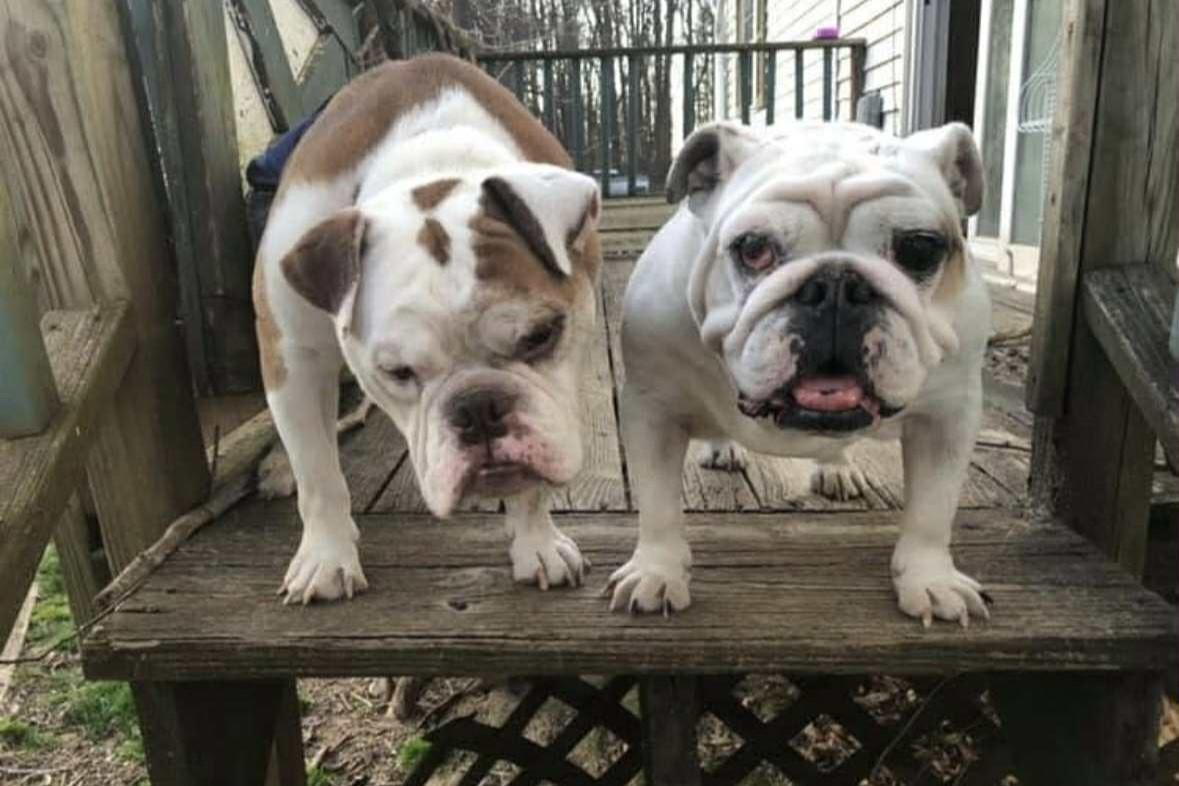
Dogs and cats with short snouts such as pugs or Persian cats are known as brachycephalic (“short head”) breeds. These pets may look cute with their pushed in noses and large round eyes, but many are also at risk for serious medical problems due to a number of genetic abnormalities that constitute what is termed Brachycephalic Obstructive Airway Syndrome or “BOAS”, for short.
The most common anatomic defects are:
- Stenotic nares—very small, narrow nostril openings
- Elongated soft palate—excessive tissue at the back of the throat
- Everted saccules—excess tissue on either side of the voice box that “pouch out”
In severely affected patients, these changes cause significant respiratory and gastrointestinal problems. In addition, some pets also have a very small, narrow trachea, a large thick tongue, or other changes. Mild cases may be managed with lifestyle adjustments and can live a fairly normal life. Cats with BOAS often have dental malocclusion and excessive chronic tearing from the eyes in addition to the typical respiratory problems.
Those tiny nostrils make it very difficult for affected pets to inhale and exhale properly through their noses. Panting, snorting, snoring and open mouth breathing are common signs of BOAS.
The elongated soft palate can actually block the opening of the windpipe. In severe cases, the soft palate tissue is so long it can actually be sucked into the opening of the trachea. Panting and excitement may cause this tissue to swell further exacerbating the problem.
The laryngeal saccules sit on either side of the voicebox and lubricate and protect the vocal cords. In dogs with BOAS, the saccules can be quite large and floppy and they can enter or block the opening of the windpipe.
Many brachycephalic dogs also experience gastrointestinal issues. The strain to breathe can cause excess air to be swallowed leading to bloating and discomfort. More serious issues can include vomiting and regurgitation, gastric reflux or GERD, and hiatal hernia in which the stomach lining is pulled through the diaphragm into the esophagus within the chest cavity. All of these issues create not only digestive disturbances but can also predispose pets to aspiration pneumonia if stomach acid is inhaled into the lungs.
Treatment for severe cases of BOAS typically involves one or more surgeries to correct defects. Correction of stenotic nares by removing a wedge of tissue at the edge of the nostril to create a wider opening is a relatively simple procedure and can make a big difference in mild to moderate cases. Trimming the excess tissue associated with an elongated soft palate and/or removing everted saccules are other common surgical procedures used to treat BOAS. Hiatal hernia may also need surgical repair if present. Earlier treatment results in a better outcome.
Surgical complications may include anesthesia complications, coughing and gagging, post-op swelling or infection, respiratory distress, aspiration pneumonia and recurrent airway obstruction. Patients undergoing BOAS surgery, particularly those undergoing palate or saccule resection should ideally recover in an ICU setting and may require a temporary tracheostomy tube. Surgery to correct stenotic nares alone has fewer complications but swelling and bleeding are still a risk.
Those little smushy faces are cute, but, for some, defects can lead to significant medical issues and impact a pet’s quality of life and overall lifespan. Prevention lies in good breeding practices. Research and choose a reputable breeder if you are interested in a brachycephalic breed of dog or cat and do not breed pets with significant BOAS signs. If you own a brachycephalic pet who is already exhibiting signs of BOAS, remember to maintain a healthy weight, use a harness instead of a collar, use caution in temperature extremes, moderate exercise, and monitor for signs of respiratory distress. Maintain regular veterinary visits, consider evaluation with the Respiratory Function Grading System and pursue surgery if your pet has significant symptoms associated with BOAS.
This blog brought to you by the Patton Veterinary Hospital, serving Red Lion, York and the surrounding communities.
https://vcahospitals.com/know-your-pet/brachycephalic-airway-syndrome-in-cats
https://veterinarypartner.vin.com/default.aspx?pid=19239&id=4951534
Location
Patton Veterinary Hospital
425 E Broadway
Red Lion, PA 17356
