What is MDR1 Sensitivity?
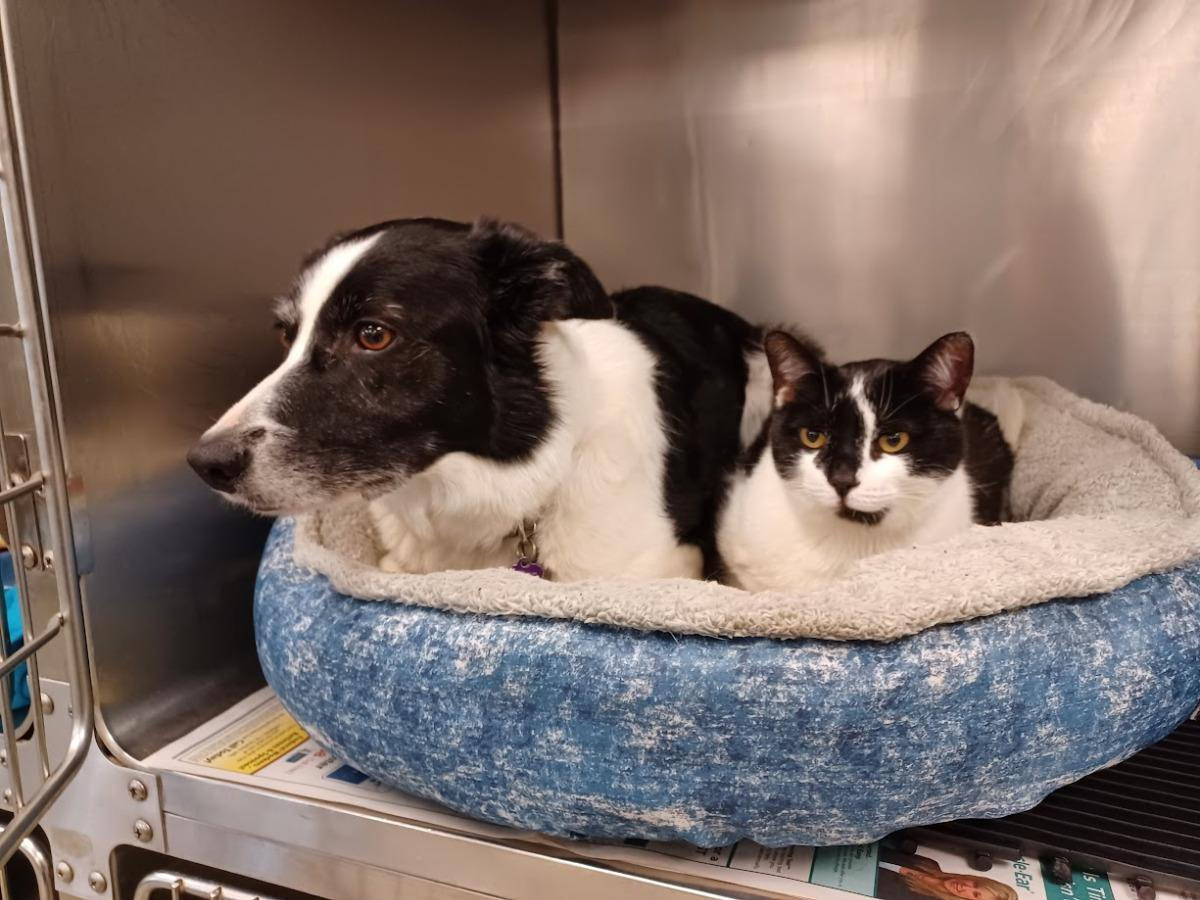
- posted: Sep. 21, 2025
What is MDR-1 Sensitivity?
Chances are, if you own a herding breed such as a Collie or Australian Shepherd, you may be familiar with a genetic mutation known as MDR1 (Multi-drug resistance) that can lead to serious reactions to certain drugs. But, did you know, other dog breeds may also be prone to MDR1 sensitivity and that the mutation is also found in about 4% of cats with Maine Coons having a higher incidence? Let’s learn more about this condition and how to keep your dog or cat healthy if he or she has an MDR1 mutation.
First, what exactly is the problem with MDR1 dogs or cats? Affected dogs or cats inherit a faulty gene that changes a key protein which normally helps to eliminate drugs from the body and also helps prevent some drugs and toxins from entering the brain and other organs. Improper function of this protein caused by the mutation allows drugs and toxins to build up in the body and may allow them to cross into the brain tissue causing severe and sometimes fatal reactions.
Drugs that should be avoided or used with caution, especially at high doses include, ivermectin (parasite and heartworm control), ondansetron and Cerenia i.e. maropitant (used to control vomiting), sedatives or anesthetics such as butorphanol and acepromazine, loperamide (Immodium-anti-diarrheal), cyclosporine (immune suppressing drug for allergies and auto-immune diseases) and some chemotherapy drugs as well as a few others. Combinations of these drugs should be avoided in patients with MDR1 mutations; for example, a patient with MDR1 may be able to use a low dose of maropitant if he is vomiting, but he should not also be given butorphanol sedation with maropitant if he is also taking cyclosporine. The combination of three drugs in the MDR1 cautionary list are more likely to cause a reaction than exposure to one.
A common misconception is that dogs or cats with MDR1 mutations should not use certain heartworm medications, when, in fact, the dose of drugs such as ivermectin or milbemycin found in heartworm preventatives at FDA approved doses is almost always low enough as to not cause a reaction and are generally safe to use.
Symptoms typically include neurological symptoms such as shaking or tremors, seizures, vomiting, weakness and staggering/uncoordinated movements. More severe cases may lose vision or even die from high doses of these drugs.
MDR1 sensitivity cannot be cured, but, knowing if your pet is affected can help you and your veterinarian choose appropriated medications and adjust doses if needed to prevent an adverse reaction. If your pet does experience and adverse reaction to any drug, contact your veterinarian and the drug manufacturer. Not all drug reactions are due to MDR1 mutation. Treatment for MDR1 reactions involve supportive and symptomatic care until the drug is eliminated from the body.
Genetic testing is the only way to truly diagnose MDR1 mutations. If a dog or cat is known or suspected to have an MDR1 mutation, certain drugs should be avoided or used at lower doses to prevent serious drug reactions.
If you have a high-risk breed or simply want to know if your pet is affected, you may wish to consider a genetic screening test like the Wisdom Panel (roughly $100) or PrIMe panel an easy, widely available, and affordable ($70) test is available through the Washington State University College of Vetrinary Medicine Program in Individualized Medicine (go.navc.com/4lNbYdF). Either test can be performed at home by collecting a cheek swab sample, or in the veterinary clinic by obtaining a blood or DNA collection brush sample.
Remember, most pets even with MDR1 mutations can lead normal lives and approved doses of preventatives like heartworm medications rarely pose an issue. However, be sure to discuss risks or concerns with your veterinarian if you have a dog or cat with known or suspected MDR1 sensitivity.
This blog brough to you by the Patton Veterinary Hospital serving Red Lion, York and the surrounding communities.
https://todaysveterinarynurse.com/internal-medicine/multidrug-resistance-1-mdr1-mutation-in-cats/
Location
Patton Veterinary Hospital
425 E Broadway
Red Lion, PA 17356
