February is National Pet Dental Health Month
- posted: Feb. 13, 2026
February Is National Pet Dental Health Month
February is National Dental Health Month for pets! Let’s be honest—most of us are not brushing our pets’ teeth every day. If you are, great job—you’re ahead of the game. For most dogs and cats, professional dental cleanings are still needed at least once in their lifetime, and often every one to two years.
So why are dental cleanings so important, and what actually happens during the procedure? Let’s take a closer look.
Why Dental Care Matters
Dental disease is extremely common in pets. More than 70% of dogs and cats over the age of three have some form of periodontal (gum) disease.
Common signs of dental disease include:
- Bad breath
- Drooling
- Reluctance to eat or chewing on one side
- Pawing at the mouth
However, many pets show no obvious signs until the disease is advanced. Dogs and cats are very good at hiding pain. Loose teeth, broken teeth, and inflamed gums are painful—even if your pet is still eating and acting normal.
Dental disease should never be ignored. Left untreated, it can lead to:
- Tooth loss
- Chronic pain
- Infection that can spread to the heart, kidneys, or liver
Not all dental disease is visible. The part of the tooth you can see (the crown) may look normal, while serious disease is hiding below the gumline. This is why a full oral exam, including dental X-rays under anesthesia, is so important.
Why Anesthesia Is Necessary
Anesthesia is often the biggest concern for pet owners, but it is required to perform a safe and complete dental cleaning. While your pet is asleep, we can:
- Examine every tooth
- Check below the gumline for infection
- Measure gum pockets
- Take dental X-rays
Trying to do this in an awake pet—no matter how well behaved—is not possible. Non-anesthetic dental cleanings are not recommended because they do not allow for deep cleaning or proper evaluation of the teeth and gums.
For most pets, the risk of untreated dental disease is far greater than the risk of anesthesia. We take many steps to make anesthesia as safe as possible.
What Happens During a Dental Cleaning
Before the procedure, your pet receives a full exam and bloodwork is reviewed to make sure anesthesia is safe.
During the dental procedure:
- Your pet receives sedation and an IV catheter
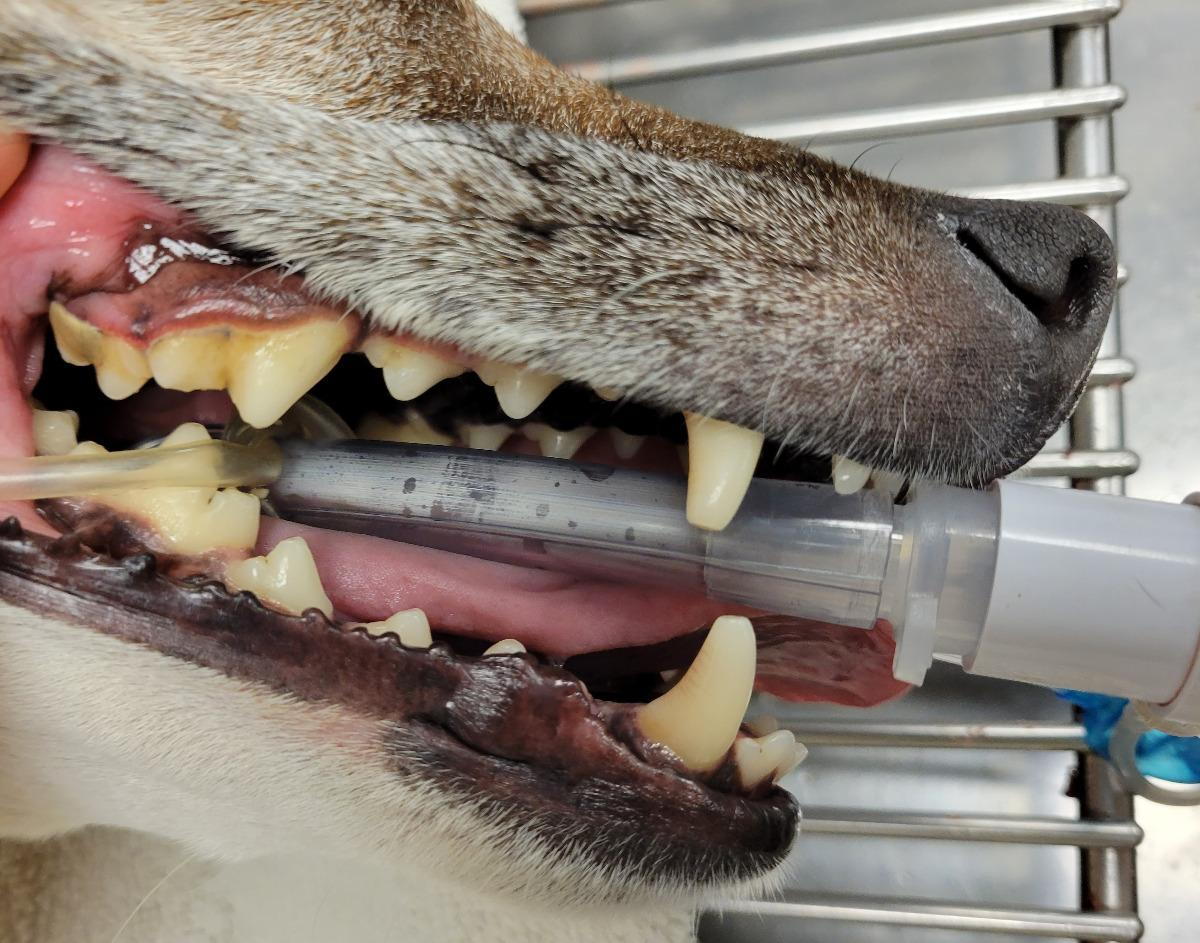
- A breathing tube is placed to deliver oxygen and anesthesia gas
- The airway is protected from water, bacteria, and debris
Once asleep:
- Each tooth is examined and probed
- Full-mouth dental X-rays are taken
- Diseased or painful teeth are removed if needed
- The gums are sutured closed with dissolvable stitches
- Plaque and tartar are removed using ultrasonic scaling
- The teeth are polished, similar to a human dental cleaning
Prevention Saves Teeth—and Money
Early dental care can prevent pain, tooth loss, and costly procedures. Cleaning teeth with mild tartar is faster, safer, and less expensive than treating severe dental disease.
After a professional cleaning, home dental care is key. Helpful options include:
- Tooth brushing
- Dental rinses
- Approved dental chews
Together, these steps help keep your pet’s mouth healthy and comfortable for years to come.
Let’s work together to keep bright, healthy smiles for all our cats and dogs.
This blog is brought to you by Patton Veterinary Hospital, serving Red Lion, York, and the surrounding communities. This content was drafted with the assistance of an AI language model and reviewed for accuracy by Patton Veterinary Hospital.
Source:
American Veterinary Medical Association (AVMA). Pet Dental Care.
Location
Patton Veterinary Hospital
425 E Broadway
Red Lion, PA 17356
