Turkey Tail Mushroom: Does it Really Shrink Lipomas in Dogs?
- posted: Mar. 28, 2026
Turkey Tail Mushroom: Does it Really Shrink Lipomas in Dogs?
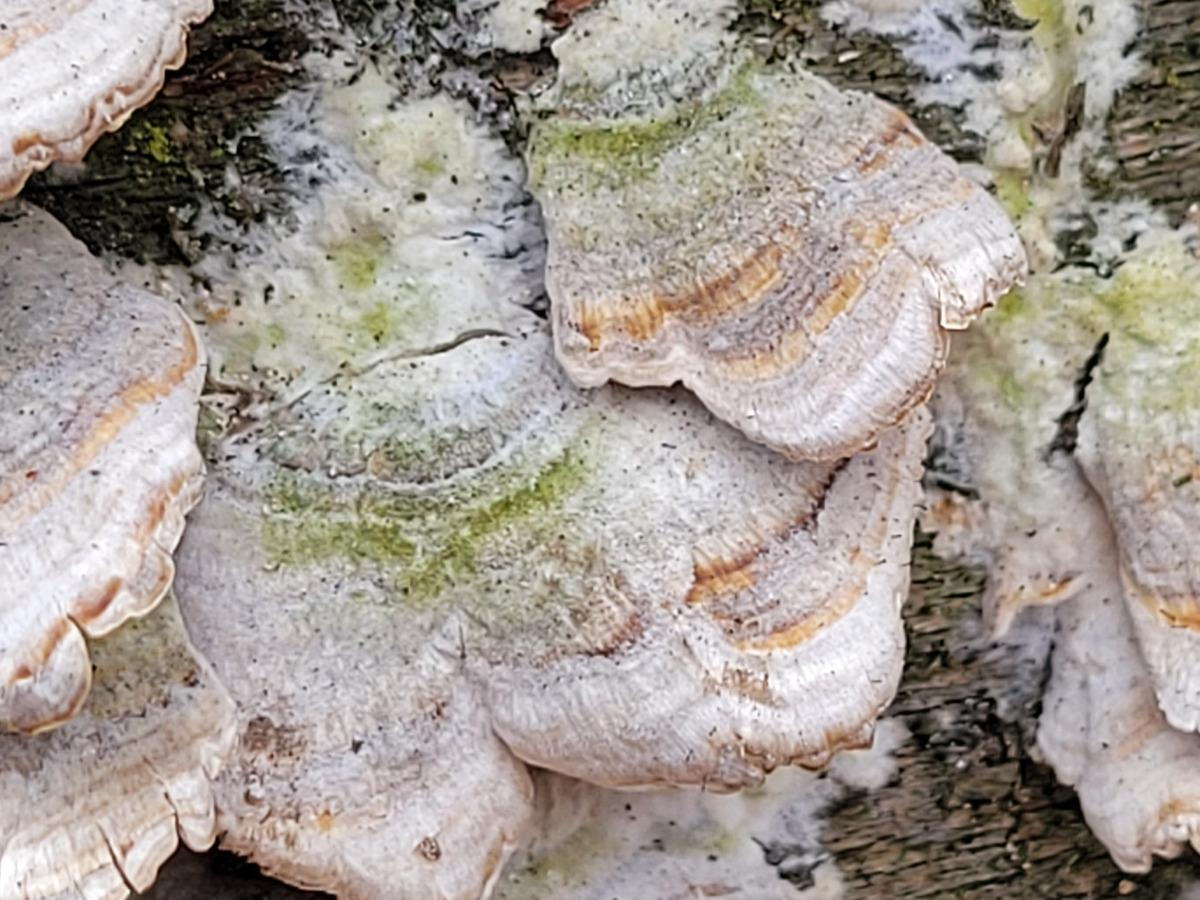
Medicinal mushrooms have been around for thousands of years, especially in Traditional Chinese Medicine practices. In recent years, Western medicine has also begun to study their potential benefits. One in particular, Coriolus versicolor--better known as the Turkey Tail Mushroom—has been recently touted as having numerous health benefits. Are these benefits real? Let’s learn more about the myths and facts of turkey tail mushroom as used in veterinary medicine.
Facts:
Turkey tail mushroom has been shown to improve survival time when used in dogs with a specific tumor called hemangiosarcoma which most commonly affects the spleen or base of the heart.
A 2012 study at the University of Pennsylvania School of Veterinary Medicine showed that certain mushroom-derived polysaccharides slowed the spread of hemangiosarcoma and increased survival times in dogs with this specific type of cancer. The study used a particular brand of turkey tail mushroom called I’m-Yunity. A follow-up study in 2022 had less impressive results. However, turkey tail is often used in the treatment of dogs with hemangiosarcoma. More studies are needed to explore other benefits.
One 2023 study did look at the effect of turkey tail mushroom on toxoplasmosis in cats; however, other scientific data of true medical benefit in cats is lacking.
Myth:
Recent online posts suggest that turkey tail mushroom helps shrink benign fatty tumors called “lipomas” in dogs. These claims are completely unfounded. There is NO scientific research to support turkey tail having any effect on lipomas in dogs. Any reduction in tumor size is anecdotal and may be due to a variety of reasons including weight loss. And, while a lipoma may decrease in size, it is unlikely to completely go away unless surgically removed.
Turkey tail is also not a cure-all, and is not a sole treatment for cancer in dogs and cats—it is a support tool, not a replacement for other forms of cancer treatment.
What are some other pros and cons to use of medicinal mushrooms in pets?
More research is certainly needed; however, many benefits are being uncovered in human medicine such as immune support, reduction of inflammation and anti-tumor benefits. It is likely that these benefits may also apply to pets.
Most mushroom supplements are very safe.
Efficacy is another story. There are many turkey tail and other mushroom based supplements for pets on the market today. However, as with any supplement, they vary widely in quality and some may be totally ineffective or may contain the less effective mycelium instead of the mushroom fruiting body.
If you choose to use a mushroom supplement for your pet, please use a trusted brand such as I’m-Yunity, Real Mushrooms brand, Jing Tang Herbal, or PET | TAO by TCVM Pet Supply. Some of these products contain a blend of mushroom extracts. Never feed raw turkey tail or any other raw mushrooms to pets as it is poorly digested and could lead to GI upset or may contain harmful contaminants such as heavy metals.
The downsides of using turkey tail or other mushroom supplements are that there is a chance of side effects such as vomiting or diarrhea, though most pets tolerate them well.
Pets with autoimmune disorders or who are on immune-suppressing drugs, pets with bleeding disorders or who use blood thinners, and pets with diabetes (it can affect blood sugar levels) should probably not use turkey tail, or use with caution. Check with your veterinarian before starting a mushroom supplement for your pet.
While medicinal mushrooms are probably not the “wonder drug” the internet is claiming, and stories about turkey tail mushroom shrinking lipomas in dogs are more myth than truth, Coriolus versicolor and other medicinal mushrooms may aid in immune function, have anti-cancer properties, and have few side effects. Turkey tail may be worth using for certain medical conditions, primarily dogs with hemangiosarcoma, but new research may find other applications.
This blog brought to you by the Patton Veterinary Hospital serving Red Lion, York and the surrounding communities.
https://www.dogcancer.com/articles/supplements/turkey-tail-mushroom-for-dogs/
https://pmc.ncbi.nlm.nih.gov/articles/PMC3440946/
https://www.nature.com/articles/s41598-023-35676-6
Location
Patton Veterinary Hospital
425 E Broadway
Red Lion, PA 17356
